
Multi-Location Business Mobile Wallet Integration Options
Explore mobile wallet integration options for multi-location businesses, from centralised programmes to local operations and connected systems.

A single-location business can often manage with a straightforward mobile wallet setup. A multi-location business cannot. Once multiple stores, regions, or franchise operators are involved, the challenge is no longer just adding mobile wallet passes.
It is choosing an integration model that keeps data, rules, and responsibilities aligned while balancing central control, local flexibility, and a consistent customer experience across every location.
Why Multi-Location Businesses Need Different Mobile Wallet Integration Options
Multi-location businesses need different mobile wallet integration options because the business is no longer operating in one simple setup. Systems vary by location. Decision-making is split across teams. Program rules are not always the same everywhere. Reporting has to work at more than one level. Businesses that need deeper control over infrastructure, governance, and reporting should think beyond basic wallet tools.
That changes what the integration needs to do.
In a single-location business, the setup is usually more straightforward. One store often means one operating model, one set of rules, and one way to track results. Once a business expands across multiple stores, regions, or franchise operators, that simplicity disappears. The integration has to support variation without creating inconsistency.
Different Locations Often Run Different Systems
Some multi-location businesses run the same POS, CRM, and loyalty stack everywhere. Many do not.
One region may use a different POS. Franchise locations may rely on different tools from corporate-owned stores. Some locations may have cleaner customer data, while others still depend on manual processes. That matters because a wallet pass only works as well as the systems behind it.
If the underlying setup changes from one location to the next, the integration cannot be built as though every store operates the same way.
Head Office Wants Consistency While Local Teams Need Flexibility
This is one of the hardest parts of any multi-location rollout.
Head office usually wants standardization. It wants consistent branding, shared program logic, and reporting it can trust across the business. Local teams need room to operate. They may need location-specific promotions, different redemption workflows, or regional campaign rules.
Neither side is wrong. The challenge is supporting both without losing control. A model built only for central oversight can become too rigid. A model built only for local flexibility can become difficult to govern.
Offers, Loyalty Rules, and Membership Logic May Vary by Location
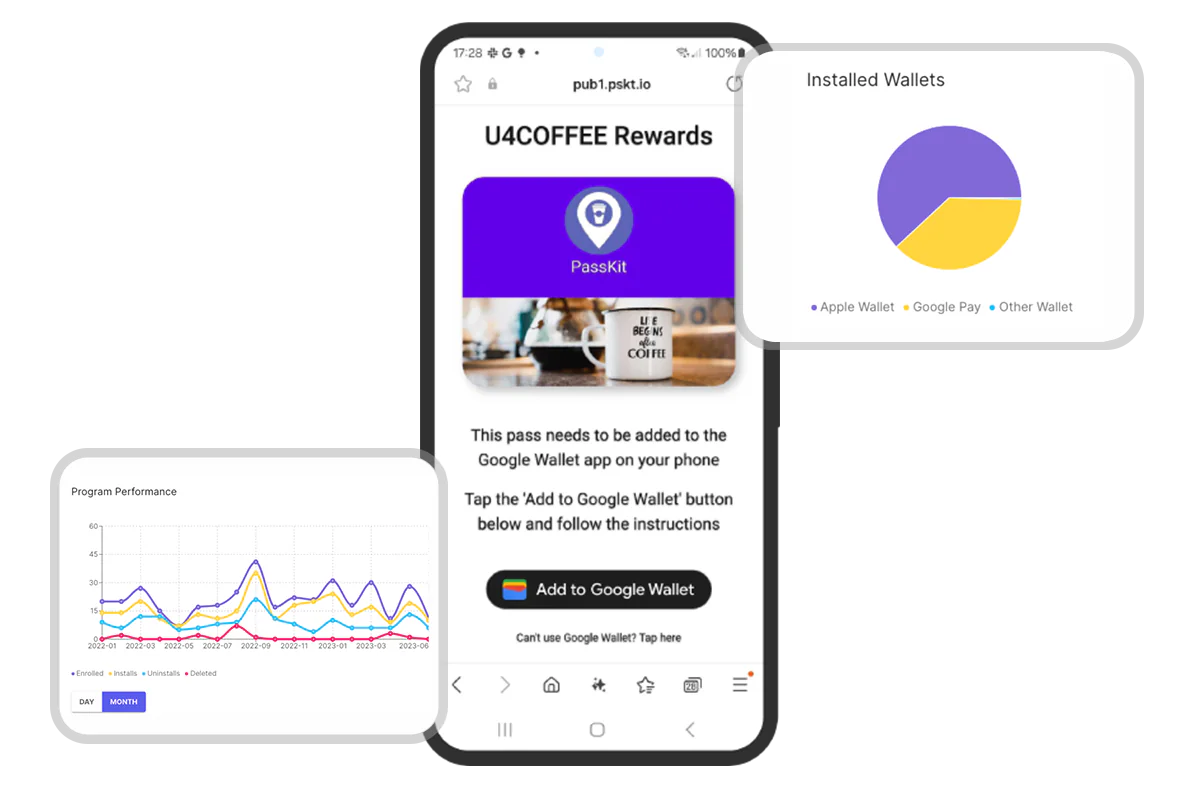
A multi-location program rarely works with one blanket rule for everything.
Some offers may be valid everywhere. Others may only apply in selected stores or regions. A membership benefit may be available in one market but not another. Franchise operators may take part in a campaign differently from corporate-owned sites.
So the issue is not just issuing a pass. It is making sure the pass reflects the right rules in the right places, without fragmenting the customer experience.
Reporting Has to Work at Enterprise and Location Level
A single-location business can usually judge performance from one set of results. A multi-location business cannot.
Head office needs a network-wide view. Regional teams need to compare territories. Store managers need location-level visibility. If the integration is not designed with that structure in mind, reporting becomes harder to trust and harder to use.
This is not just a technical decision. It shapes how the business measures performance, assigns responsibility, and decides what to expand.
Multi-location businesses do not just need mobile wallet integration. They need an integration option that matches how the business is structured, how locations operate, and how much variation the program needs to support. That is why the next step is not looking at features in general. It is choosing the right integration model for the way the business actually runs.
Main Mobile Wallet Integration Options for Multi-Location Businesses
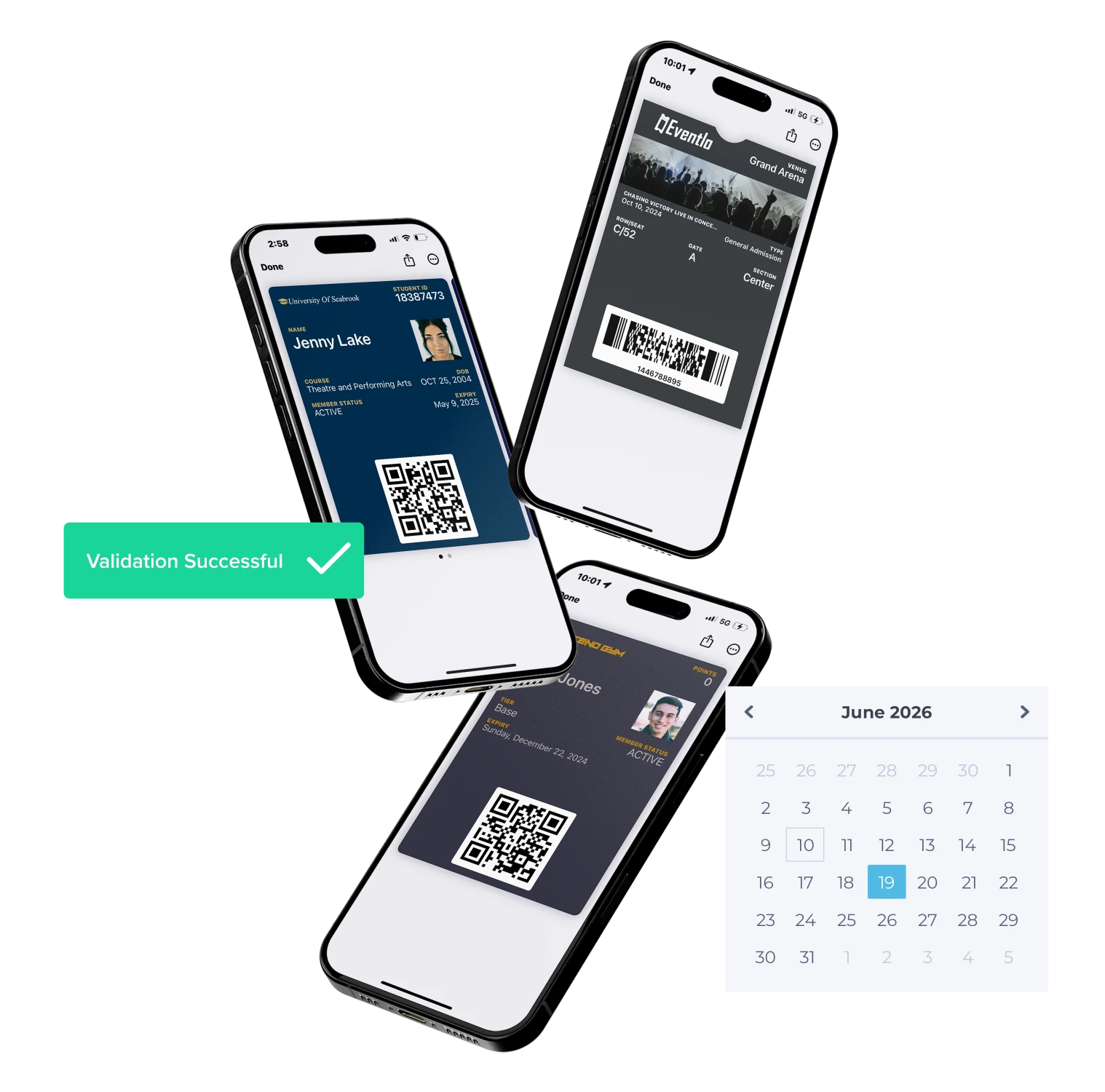
Most multi-location businesses are not choosing whether to integrate mobile wallet. They are choosing how to do it.
That choice usually comes down to five models. The right one depends on three things: how similar your locations are, how much control head office wants, and how much variation the business needs to support.
Centralized Integration Model
A centralized model puts every location on the same integration setup.
Customer data sits in one structure. Pass rules follow one framework. Reporting rolls up in one consistent way. That makes this the cleanest option for businesses that already run a fairly standardized operation.
The biggest advantage is control. Head office can manage the program centrally, keep the customer experience consistent, and avoid different locations inventing their own logic.
The trade-off is rigidity. If locations need different workflows, different campaign rules, or different ways of handling redemption, a centralized model can start to feel too tight.
Best fit: corporate-owned chains, standardized store estates
Regional Integration Model
A regional model keeps the wallet program shared, but gives regions room to operate differently where they need to.
That can make sense when the business wants one overall structure, but knows that not every market works the same way. One region may run different campaigns. Another may need different redemption rules. Another may have its own reporting expectations or operating setup.
The value here is balance. Head office still keeps the core structure, but regions can apply local logic without forcing the whole business into one rigid model.
The trade-off is complexity in governance. The business has to be clear about what stays central and what regions are allowed to change.
Best fit: businesses with geographic operating differences, region-led retail groups
Store-Level Integration Model
A store-level model gives individual locations, or clusters of locations, more direct control over how the setup works.
This is the most decentralized option. It allows local teams to move faster, run store-specific campaigns, and adapt to local conditions without waiting for central approval every time.
That flexibility comes at a cost. Reporting becomes harder to unify. Governance gets messier. The customer experience can start to vary too much from one location to the next.
This model is usually a reflection of how the business already operates. If locations are highly independent, the integration often has to reflect that reality.
Best fit: decentralized operators, franchise-heavy environments
Middleware or Orchestration Model
A middleware or orchestration model connects mixed systems into one wallet program without forcing every location onto the same stack straight away.
This is often the most practical choice when the business has grown through different systems, regions, or brands. One location may use one POS. Another may use something else. CRM and loyalty systems may differ as well. Middleware sits in the middle and helps make that complexity manageable.
The main advantage is flexibility without chaos. The business can reduce inconsistency, support phased rollout, and avoid rebuilding everything at once.
The trade-off is that there is more architecture to manage. Someone has to own that layer properly, or it becomes another source of confusion instead of a solution.
Best fit: mixed system estates, multi-brand groups, businesses standardizing over time
API-First Enterprise Model
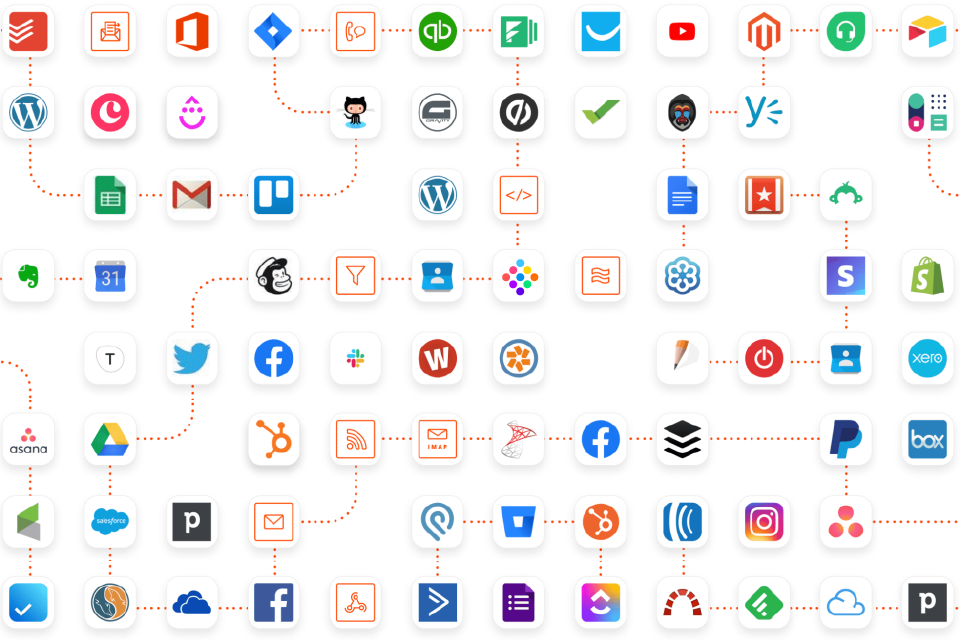
An API-first enterprise model gives the business the most control over how wallet passes behave across different location types, systems, and ownership structures.
This is usually the right choice when the business has more complex requirements than a standard setup can handle. That might mean hybrid corporate and franchise operations, custom business rules by location, or internal teams that want direct control over how wallet logic maps into existing systems.
The upside is precision. The business can design the program around the way it actually runs, rather than squeezing itself into a predefined model.
The downside is that this approach demands more technical ownership. It works best when the business is ready to manage that complexity properly.
Best fit: enterprise retail, hybrid corporate and franchise businesses, brands with internal engineering ownership
The right model depends on how standardized your locations are, how much variation the program needs to support, and where control needs to sit. This is not just an integration decision. It is an operating model decision.
Relevant Mobile Wallet Articles:
Apple Wallet vs Google Wallet: Features, Differences & Use Cases
Top 9 Benefits of Mobile Wallets
What Is a Mobile Wallet? How It Works & Why It Matters
How to Choose the Best Mobile Wallet Pass Platform
How to Create a Mobile Wallet Pass
Improve Customer Retention Using Wallet-Based Loyalty Programs
Mobile Wallet Analytics: Customer Engagement Tracking & KPIs
Mobile Wallet Integration System For Digital Coupons
Mobile Wallet Loyalty Platforms With Real-time Redemption Tracking
Which Integration Option Fits Your Business Model?
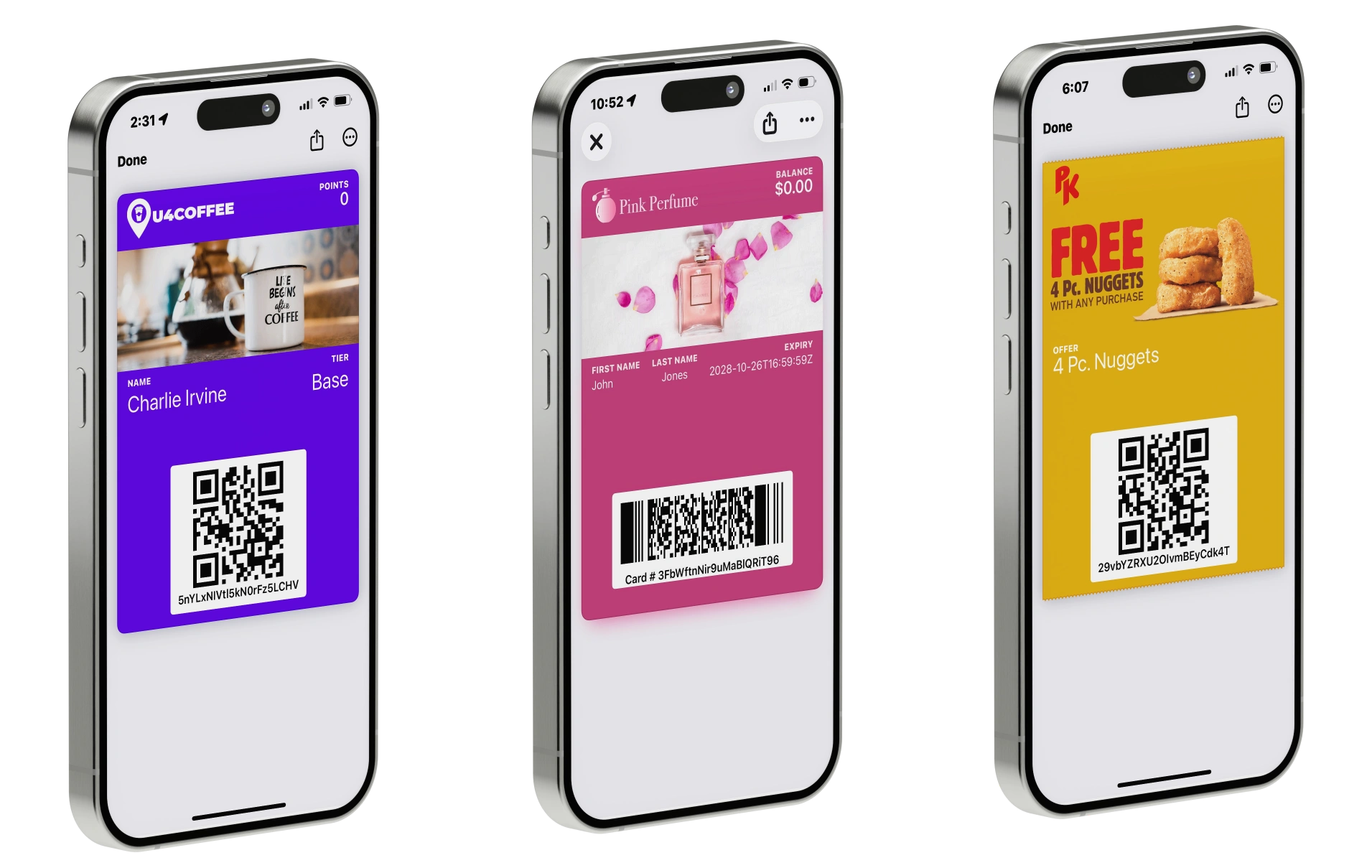
The right integration option depends on how the business is run.
That matters because two businesses can have the same number of locations and still need completely different setups. One may be tightly controlled from head office. Another may give operators far more freedom. One may share systems across the estate. Another may not. So before choosing a model, the real question is not what the platform can do. It is how the business is structured.
Corporate-Owned Chains
Corporate-owned chains usually suit a centralized model.
The logic is straightforward. Head office owns the locations, controls the program, and is accountable for performance across the estate. That usually means the business wants one set of rules, one customer experience, and one reporting structure it can trust.
In that kind of environment, a centralized setup is often the cleanest choice. It keeps pass logic consistent, makes reporting easier to compare, and reduces the chance of different locations drifting into different ways of working.
If some markets need more room to operate, a regional layer may make sense. But the default usually points back to central control.
Franchise Networks
Franchise networks usually need more flexibility.
Head office still needs to protect the brand. It still needs clear rules, shared standards, and enough visibility to understand what is happening across the network. But franchise operators often need more room to run local campaigns, work around local system differences, or manage offers in a way that fits their market.
That is where the tension sits. If the model is too centralized, franchisees may find it restrictive. If it is too loose, the program becomes harder to govern and the customer experience starts to vary too much.
For franchise networks, the best setup is usually one that keeps the core structure under central control while allowing controlled variation at regional or operator level.
Hybrid Corporate and Franchise Businesses
Hybrid businesses are usually the hardest to design for.
They combine corporate-owned locations with franchise-operated ones, which means the business is dealing with different ownership models inside the same program. In practice, that often means different systems, different workflows, different levels of control, and different expectations around support and reporting.
This is where simple models start to break down.
A setup built for corporate-owned locations may not work well for franchise operators. A setup designed around franchise flexibility may create too much inconsistency for the corporate side. That is why hybrid businesses often need a model that can support more than one operating reality without splitting the program into separate silos.
In most cases, this pushes the business toward middleware, orchestration, or an API-first approach that can handle variation without losing overall control.
Multi-Brand Groups
Multi-brand groups have a different problem again.
The question is not just how to support multiple locations. It is how to support multiple brands without duplicating everything behind the scenes.
Many groups want shared infrastructure because it is more efficient. But that does not mean they want a shared customer-facing program. Each brand may have its own positioning, its own offers, its own membership logic, and its own commercial priorities.
So the business has to separate what should be shared from what should stay distinct.
In many cases, the best answer is shared infrastructure with separate brand logic on top. That lets the group avoid unnecessary duplication while keeping each brand clear and differentiated in the customer experience.
For multi-brand groups, the mistake is usually assuming shared systems should lead to a shared program. Often they should not.
The best integration option is the one that matches the ownership model, the level of control in the business, and the amount of variation the program needs to support. Once that is clear, the technical choice becomes much easier.
Questions to Answer Before Choosing an Integration Option
Before choosing a model, step back and answer a few practical questions. These usually tell you more than any feature list will.
Will Customers Use the Same Pass Across Every Location?
Start here. If the answer is yes, the integration needs to support one shared experience across the estate. If the answer is no, you need a setup that can handle variation by store, region, or brand without creating confusion.
Will Offers Work Everywhere or Only in Specific Stores?
Some businesses want every offer to work in every location. Others need tighter control. A promotion may only apply in selected stores, certain regions, or specific ownership groups. The integration has to reflect that from the start.
How Will Different Store Systems Be Handled?
If every location runs the same systems, the setup is simpler. If POS, CRM, or loyalty tools vary by location, the integration has to account for that. This often shapes the model more than anything else.
Who Owns Reporting: HQ, Region, or Store?
Reporting needs to match how decisions are made. Head office may want a full network view. Regional teams may need territory-level reporting. Store managers may only care about their own location. The structure should support all of that clearly.
How Much Local Control Is Appropriate?
Local flexibility can be useful, but it needs limits. The business has to decide what stays central and what locations or regions are allowed to control. If that line is unclear, the integration usually becomes harder to manage.
What Happens When Stores Open, Close, Move, or Rebrand?
Location networks change. Stores open, shut, relocate, change ownership, or move into new regions. The integration should be able to handle that without forcing the business to rebuild the program every time something changes.
The right integration option is usually the one that answers these questions cleanly before rollout starts.
A Smarter Rollout Path for Multi-Location Wallet Programs
Rolling out across every location at once sounds efficient. It usually is not. A better approach is to scale in stages, with the structure locked down before the footprint expands.
Start With One Store Group, Not One Store
Do not test in a single outlier location and assume the results will hold everywhere else. Start with a store group that reflects how the business actually operates. That gives you a more useful test case and a better signal for rollout decisions.
Normalize IDs, Rules, and Ownership Early
Store IDs, offer rules, participation logic, and ownership structures need to be clear from the start. If those foundations are messy, the rollout gets harder with every new location you add.
Test Cross-Location Edge Cases Before Scale
Do not just test the happy path. Test what happens when a customer uses a pass in a different location, when a store has different rules, or when ownership changes affect eligibility. These are the issues that usually surface later if they are ignored early.
Define HQ vs Local Responsibilities Up Front
Be clear about who controls what. Head office may own the core program, while local teams manage execution. If that split is vague, rollout slows down and exceptions become harder to handle.
Expand by Region, System Type, or Ownership Model
Once the first group is stable, scale in a way that matches the business. That may mean expanding by region, by system environment, or by ownership structure. The point is to grow in controlled steps, not all at once.
A multi-location rollout works best when the business scales the model, not just the pass.
Frequently Asked Questions
These are some of the most common questions that come up when planning mobile wallet integration across multiple locations.
Should A Multi-location Business Centralize Mobile Wallet Management?
In most cases, yes. Centralized management gives the business better control over pass rules, branding, reporting, and program changes across the estate.
The exception is when regions, franchisees, or brands need legitimate local variation that cannot be handled inside one tightly controlled model.
Can One Mobile Wallet Program Support Different Rules By Location?
Yes. A multi-location wallet program can support shared rules across the business while still allowing selected offers, redemption logic, or participation rules to vary by store, region, or ownership group.
The key is choosing an integration model that supports controlled variation without turning every location into its own separate program.
When Is Middleware The Right Choice For A Multi-location Wallet Program?
Middleware is usually the right choice when locations do not all run the same systems. If different stores, regions, or brands use different POS, CRM, or loyalty tools, a middleware layer can connect those systems into one wallet program without forcing the business to standardize everything at once. It is often the most practical option for mixed estates.
Can A Business Change Its Mobile Wallet Integration Model Later?
Yes, but it is easier if the program is designed with change in mind from the start. Many businesses begin with a simpler model, then move to a more flexible one as they add locations, brands, regions, or ownership complexity.
The more clearly IDs, rules, ownership, and reporting are structured early on, the easier that transition becomes.