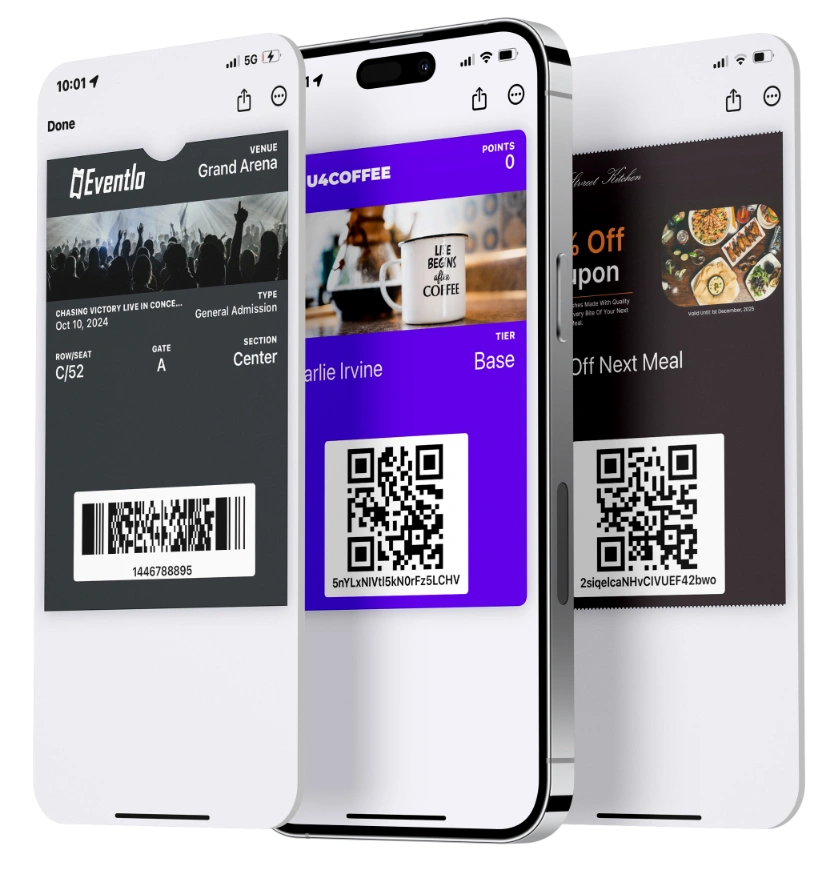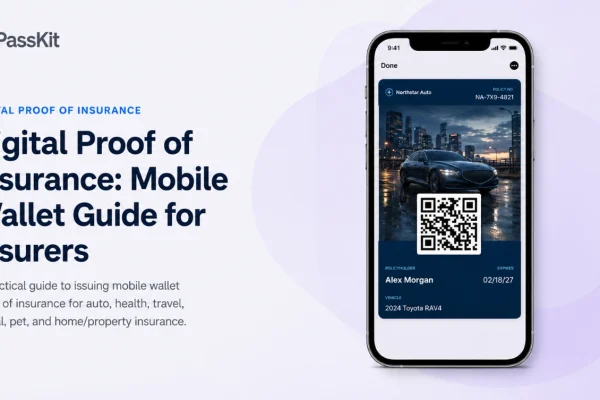


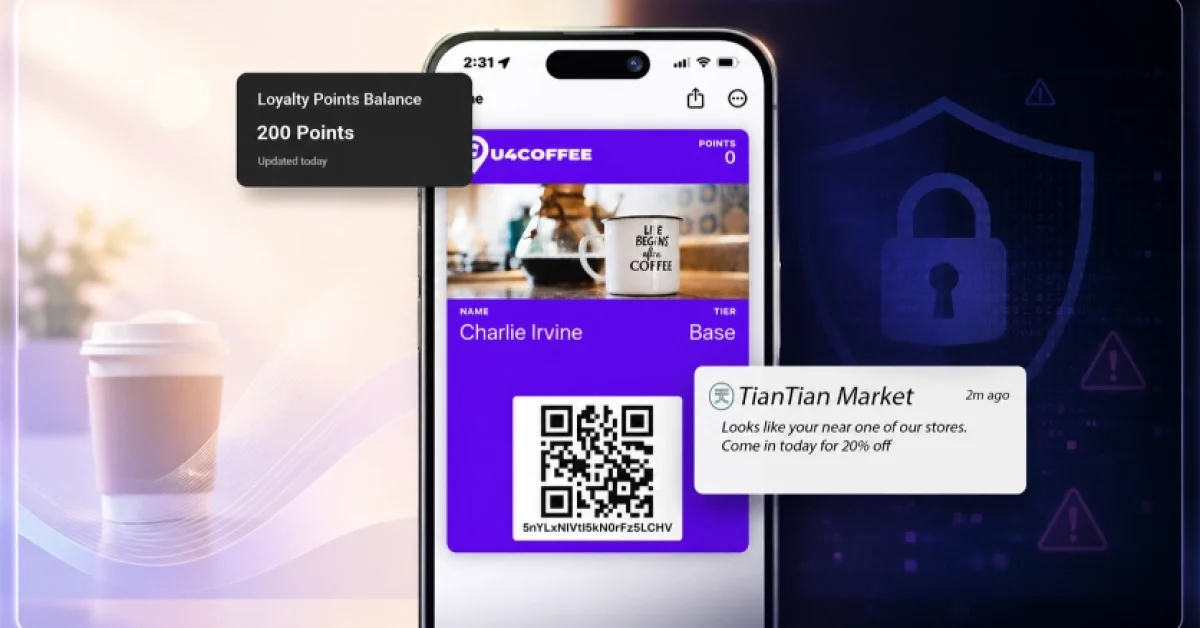

Every mobile wallet pass represents a brand in a customer’s Apple Wallet or Google Wallet. Whether it is a ticket, coupon, membership card or loyalty pass, customers expect it to look official, contain accurate information and work when they need it.
That makes pass creation more than a design task. Merchants need control over who can create passes, what they contain, where they are distributed and how they are managed after launch.
PassKit has helped businesses create and manage mobile wallet passes since 2012. One lesson is clear. Speed matters, but control is what keeps the wallet experience consistent, trusted and properly managed.
What Is the Convenience Versus Risk Tradeoff in Wallet Pass Creation?
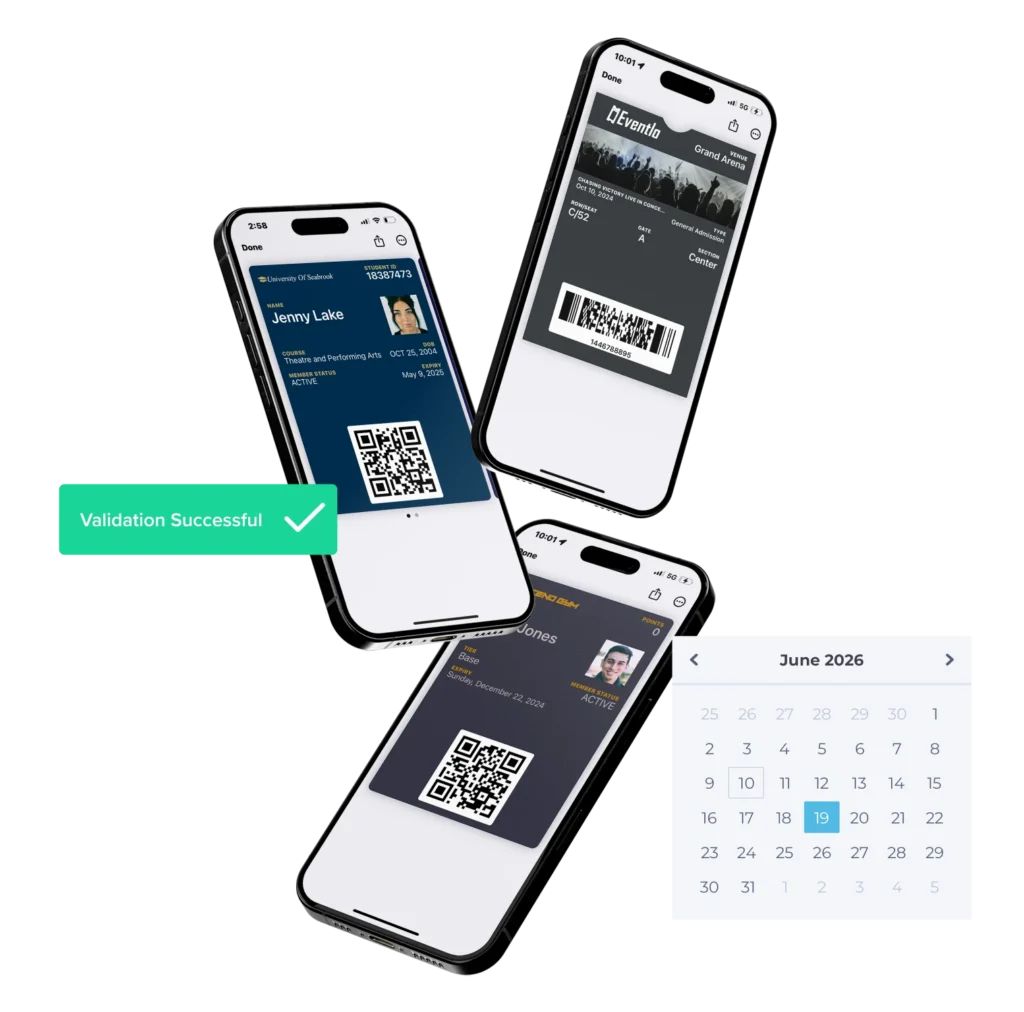
The convenience versus risk tradeoff in wallet pass creation comes down to giving teams the speed to launch quickly while making sure the brand still controls what customers see, save and use.
For us, the goal is not to make pass creation harder. It is to make sure convenience does not come at the cost of brand consistency, approved content or clear ownership.
That is why controlled convenience matters. Teams should be able to move quickly, but the pass still needs to look official, come from the right place and be managed by the right people.
Why Is Easier Wallet Pass Creation Valuable?
Easier wallet pass creation is valuable because it lets merchants move from idea to launch without turning every ticket, coupon, membership card or loyalty pass into a long technical request.
For marketing, operations and customer experience teams, that means faster campaign launches, quicker event setup and more room to test wallet-based experiences. A seasonal offer, local promotion or membership update can move forward without waiting for custom development every time.
It also lowers the barrier for smaller organisations that want to use Apple Wallet and Google Wallet but do not have large technical teams. The benefit is practical. More teams can use wallet passes as part of everyday customer engagement, not just as a one-off project.
Where Brand Control Breaks Down in Wallet Pass Creation
Brand control starts to break down when wallet passes are created from separate templates, old assets or disconnected sources of information, especially when more than one team or partner is involved.
This is where convenience can create uncertainty. A pass may still be usable, but if the merchant cannot quickly tell which version is current, who created it or where customers received it, the experience becomes harder to manage.
The risk is not simply a different design. It is losing confidence in the customer-facing version of a ticket, coupon, membership card or loyalty pass.
How Can Brands Create Wallet Passes Quickly Without Losing Control?
Brands can create wallet passes quickly without losing control by giving teams a guided way to launch, instead of leaving each pass to be built, checked and distributed in isolation.
This gives marketers, operators and partners enough flexibility to move quickly while keeping the customer-facing result aligned with the brand.
The point is not to add friction. It is to make the approved path the easiest path, so speed comes from a clear process rather than disconnected versions.
Can Someone Else Create a Wallet Pass That Appears to Represent Your Brand?

A wallet pass can appear to represent a brand if it uses familiar names, logos, event details, offer terms or customer information. That does not automatically make it official. The question is whether the pass was created, approved and distributed through a process the merchant recognises.
When Is Third-Party Wallet Pass Creation Legitimate?
Third-party pass creation can be legitimate when an agency, event partner, franchisee or integration partner is acting with permission. A partner may support a campaign, issue tickets for an event or create passes as part of an approved customer journey. These arrangements work best when everyone uses current brand assets and agreed customer information.
How Can Unofficial or Inconsistent Wallet Passes Appear?
Unofficial or inconsistent versions can appear when old assets, expired campaign links or separate teams remain in circulation.
A partner might reuse an outdated template, a local team might create its own version of a coupon or someone outside the merchant’s approved process may create a separate pass using publicly available event or offer information. Not every inconsistent pass is fraudulent, but each one can create confusion.
What Makes a Wallet Pass Official?
A wallet pass is official when it is created or approved by the merchant, contains current information and reaches customers through a recognised source. A familiar logo or brand name is not enough on its own, especially for tickets, coupons and cards that customers expect staff to accept.
What Problems Can Uncontrolled Wallet Pass Creation Cause?

Uncontrolled wallet pass creation can turn a simple customer interaction into a judgement call. Instead of accepting a ticket, coupon or membership card with confidence, staff may need to question whether the details are current, whether the source is recognised and whether the customer should be redirected elsewhere.
Inconsistent Design and Content Create Customer Uncertainty
A mismatch in layout, naming, dates, expiry details or redemption terms can make two versions of the same pass feel unrelated. Customers may not understand why one offer looks different from another, while staff may not know which version to rely on at the point of entry or redemption.
The issue is not only how the pass looks. A pass with outdated information can still appear convincing enough to be saved, shared or shown after the campaign has changed.
Unclear Distribution Adds Support Load
When passes reach customers through old emails, partner pages, forwarded links or previous campaign journeys, the merchant may have to trace the source before resolving the issue. That adds work for support teams and slows down frontline decisions.
The harder it is to identify where a pass came from, the harder it is to give customers a clear answer.
Tickets and High-Value Passes Carry Greater Risk
The stakes are higher when the pass represents entry, stored value, membership status or a high-value offer. Event tickets, paid memberships and valuable offers can create disputes because the customer expects them to be honoured.
For event organisers, duplicate-looking or inconsistent tickets can raise concerns around resale, transfer and validation. Higher-value passes need stronger controls because confusion or misuse can have a greater customer and operational impact.
What Should Brands Control When Creating Wallet Passes?
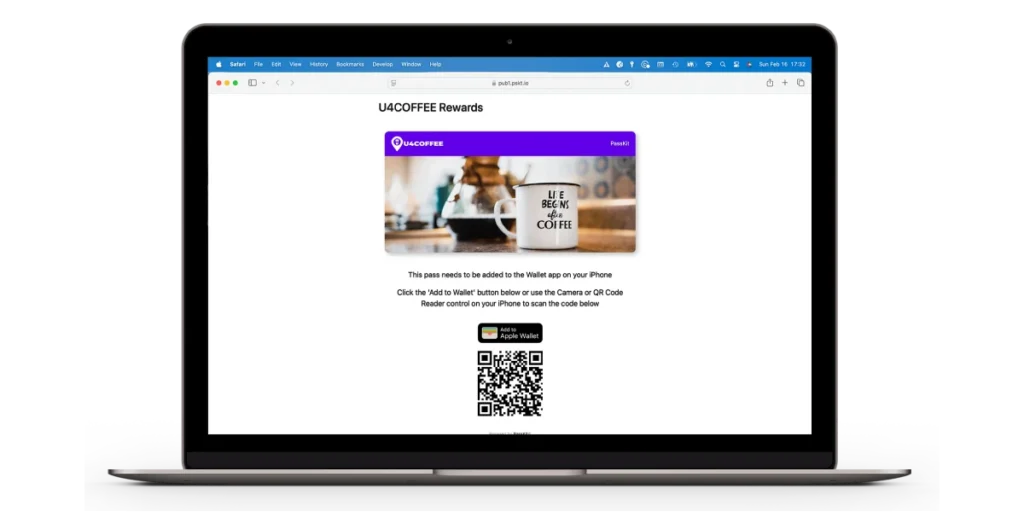
Brands should control who can create wallet passes, what those passes look like, what information they contain, where customers receive them, and how they are managed after launch, because each of these points affects whether the pass feels official, accurate and trusted.
The goal is not to make pass creation slower. The goal is to keep speed inside an approved process, so teams can launch quickly without creating confusion for customers, staff or partners.
| Creation Area | Convenience Benefit | Risk if Unmanaged | Control the Brand Should Retain |
|---|---|---|---|
| Creator access | More teams can create passes quickly | Unapproved users or partners may create inconsistent versions | Clear permissions and approval rules |
| Brand design | Templates speed up pass creation | Logos, colours or layouts may drift | Approved templates and current brand assets |
| Pass content | Teams can update offers, dates and instructions faster | Conflicting terms or outdated information may circulate | One source of truth for content |
| Approval | Campaigns can move without heavy technical review | Passes may go live without brand, legal or operational checks | Lightweight review matched to pass risk |
| Distribution | Passes can be shared across more channels | Customers may not know which version is official | Approved distribution paths |
| Updates and retirement | Passes can be corrected after launch | Old versions may remain active or accessible | Clear update, replacement and retirement process |
| Support and verification | Staff can respond faster to customer questions | Support may not know which pass is current | Internal reference for approved passes |
This is the balance brands need to protect. Pass creation should stay convenient, but the approved route must remain clear enough for teams, customers and staff to know which version to trust.
Available creation, distribution and management controls can vary by wallet platform, pass type and implementation, so platform-specific capabilities should be verified before launch.
How Can Merchants Reclaim Control of Wallet Passes?
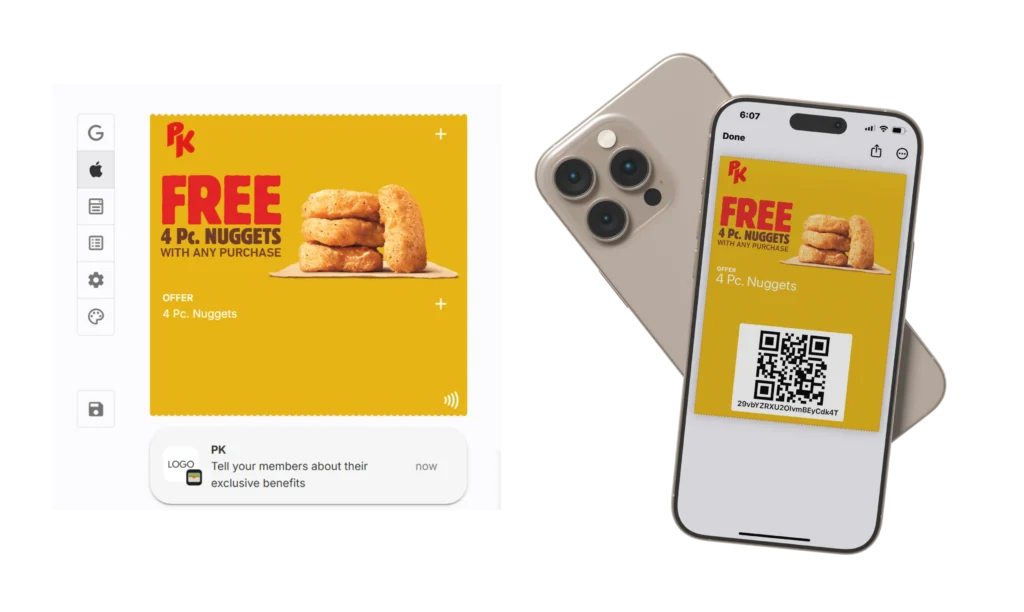
Merchants can reclaim control of wallet passes by reviewing what is already live, choosing the version customers should use, replacing outdated versions and giving staff a simple way to check unfamiliar passes.
Audit Current Passes and Distribution Sources
Start by listing the wallet passes currently connected to the brand. This includes tickets, coupons, membership cards, loyalty cards, event passes and live campaign offers.
The useful part of the audit is tracing where each pass is still being distributed. Check landing pages, emails, QR codes, partner pages, apps, checkout flows and old campaign links that may still be reachable.
This helps identify outdated designs, expired offers and duplicate versions that customers may still find. Review high-value passes first, especially event tickets, paid memberships and offers with financial or operational impact.
Define the Current Version and Its Owner
Once the active passes are visible, decide which version should be used for each ticket, coupon, membership card or loyalty pass. That includes the design, content and customer route teams should use from that point forward.
Each pass type also needs an owner. If an event time changes, an offer expires or a partner keeps using an old version, the business should know who can make the decision and get the issue corrected.
Standardise Templates, Access and Publishing
Replace one-off or outdated versions with reusable templates that reflect the current brand and campaign information. The aim is to make the correct route easier to follow than creating another variation.
Access should match the role. Agencies, partners and internal teams should have what they need to do their part, while access linked to finished campaigns or old partnerships should be removed.
The level of approval should match the value of the pass. A simple promotional pass may only need a light check, while tickets, paid memberships and high-value offers need closer review before they reach customers.
Give Staff and Partners a Clear Verification Process
Support teams, venue staff and partners need a simple way to check whether a pass matches the current version. If something looks unfamiliar, they should know whether to accept it, escalate it or direct the customer to the right source.
The same process should cover corrections. If a pass needs to be updated, replaced or retired, teams should know who owns the decision and how to request the change.
If suspected misuse appears, it should be handled through the right internal route before making public claims. The goal is to verify the facts, protect the customer experience and guide people back to the correct pass.
What Has PassKit Learned From 14 Years of Wallet Pass Creation?
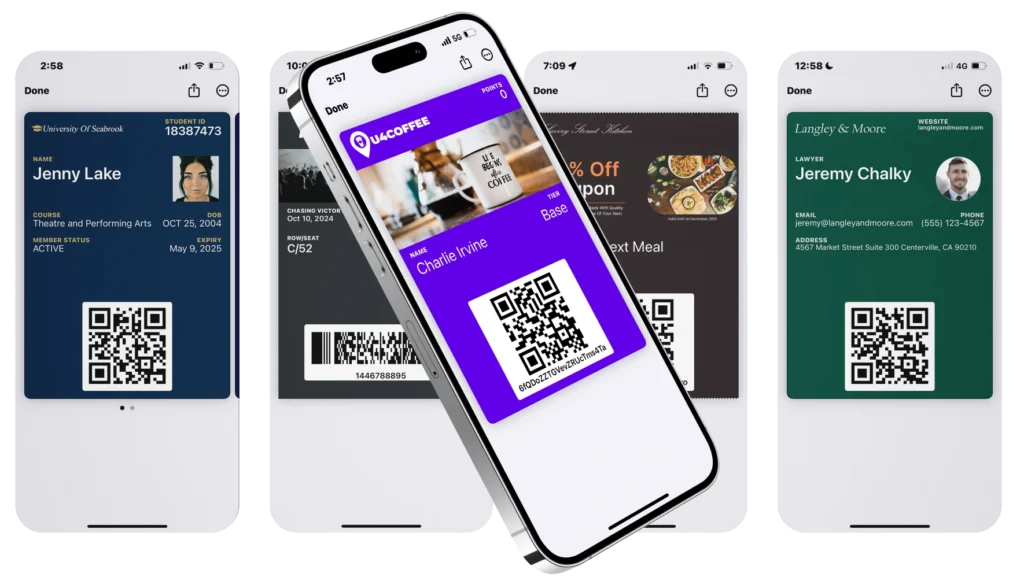
Since 2012, we have learned that the easiest pass to create is not always the easiest pass to manage. The real test is whether a merchant can keep the wallet experience clear as more teams, campaigns and partners become involved.
Fast Creation Still Needs Long-Term Ownership
A pass can be launched quickly and still create work later if no one knows how it should be checked, changed or retired. Customers may return to a saved pass days, weeks or months after the original campaign or event has changed.
Fast creation is valuable when it leaves the business with a pass it can continue to manage, not another loose end.
Convenience Works Best Inside a Managed Environment
The strongest wallet programmes make routine creation easier without forcing teams to rebuild the basics each time. Current assets, reusable structures and clear responsibilities reduce rework and help repeat launches move faster.
That is the difference between convenience that creates clean-up and convenience that supports a dependable wallet experience.
When programmes also require dynamic updates, integrations, auditability and reliability at scale, the decision moves beyond pass creation.
Read Wallet Tools vs Infrastructure for Apple & Google Wallet for the broader platform considerations.
Which PassKit Capabilities Help Brands Keep Wallet Passes Under Control?
After years of wallet programmes, we have learned that control is not just a policy decision. It comes from having the right tools around creation, distribution, updates and verification.
Key capabilities to look for include:
- Wallet Creator and approved pass templates for building branded Apple Wallet and Google Wallet passes without starting from scratch each time.
- Pass management and real-time updates for keeping saved passes current when offer details, event information, membership status or customer data changes.
- Distribution options such as SmartPass links, QR codes, email, website journeys and data collection pages, so brands can define where customers should receive passes.
- Scanner and redemption tools for checking tickets, coupons, memberships or access passes when customers present them in person.
- APIs, SDKs, webhooks and integrations for connecting wallet passes to CRM, POS, marketing automation and customer systems when manual updates are not enough.
- Analytics and pass activity data for understanding how passes are installed, used and retained over time.
- Support and implementation resources for teams that need help setting up controlled wallet programmes across different pass types.
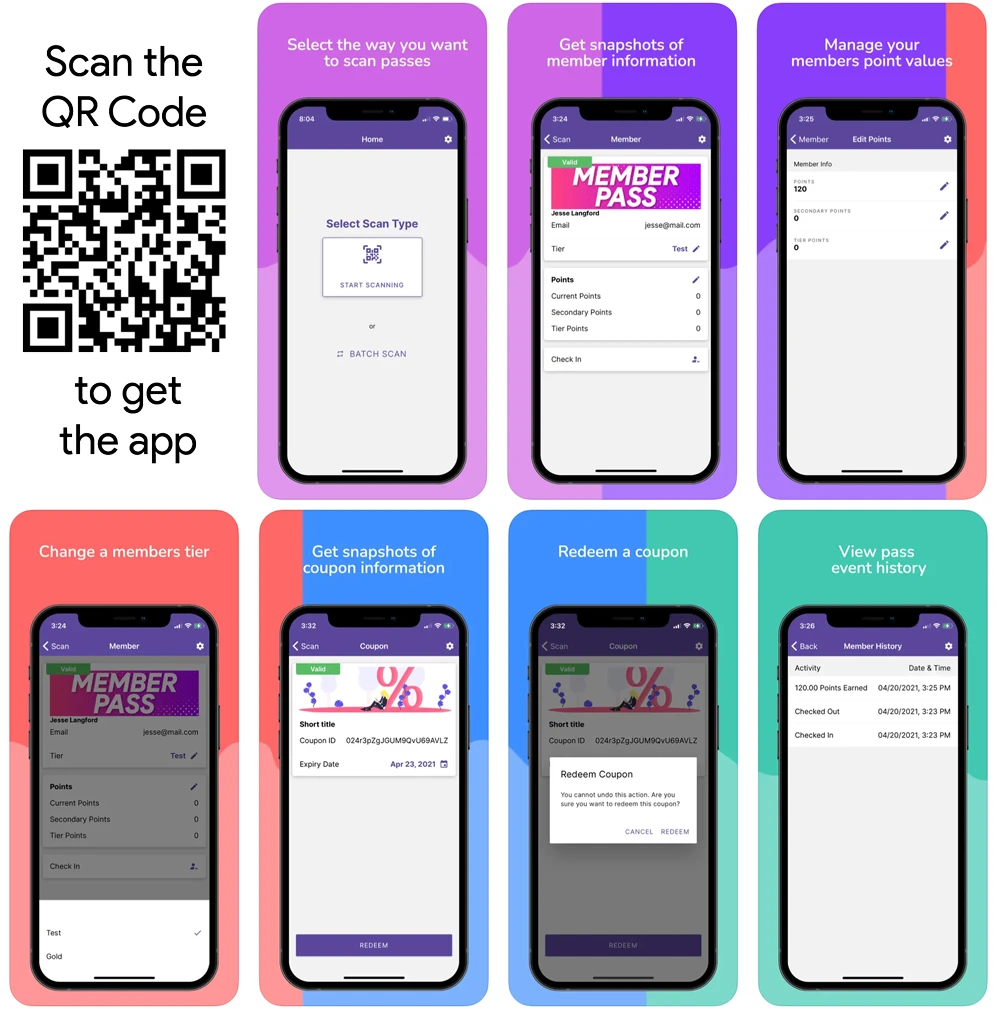
These capabilities matter because they keep pass creation connected to the wider customer journey. A brand can still launch quickly, but the pass does not sit in isolation after it reaches the customer.
What Should Merchants Do Next?
Merchants do not need to slow down wallet pass creation, but they should make sure the basic ownership questions are answered before more passes reach customers.
Ask these five questions.
- Who is authorised to create and publish our wallet passes?
- Which design and content version should teams use?
- Where should customers obtain each pass?
- Who handles corrections, replacements and retired passes?
- What should staff do when a pass looks unfamiliar?
If the answers are unclear, start there. Clear ownership makes it easier to launch new passes, support customers and reduce uncertainty around tickets, coupons, memberships and offers.
To take the next step, review your current wallet pass setup, read the Create Pass guide or contact PassKit Support for help bringing templates, distribution and pass management into one controlled process.
Frequently Asked Questions About Wallet Pass Creation and Control
These questions cover the practical issues merchants and event organisers may face when wallet pass creation becomes easier, from identifying official passes to handling unfamiliar versions and reducing confusion around tickets, coupons and cards.
Why Might Different Versions of the Same Ticket, Coupon or Card Appear?
Different versions can appear when teams, partners or old campaign links continue using separate assets, templates or information.
This does not always mean misuse. It often means the brand has more than one creation or distribution route active, which makes it harder to keep the customer-facing pass consistent.
Does Using a Brand Logo Make a Wallet Pass Official?
No. A logo or brand name does not automatically make a wallet pass official. The pass also needs to be created or approved by the merchant, use current information and reach customers through a recognised source.
Appearance matters, but it should not be treated as proof on its own.
What Should Staff Do if a Wallet Pass Looks Unfamiliar?
Staff should check the pass against the current internal reference before accepting, rejecting or escalating it.
They should confirm the offer terms, event details or membership information, then follow the agreed process. The goal is to give customers a clear answer without making unsupported assumptions.
How Can Event Organisers Reduce Ticket Resale or Misuse Risk?
Event organisers can reduce risk by controlling who creates tickets, where customers receive them and how tickets are checked at entry.
They should also define how replacements, transfers and disputes are handled. No single control removes all resale or misuse risk, but a managed process reduces uncertainty.
Will Stronger Controls Make Wallet Pass Creation Slower?
Not necessarily. Clear controls can make repeat pass creation faster because teams know which template to use, who approves changes and where customers should receive the pass.
The aim is not bureaucracy. It is to make the correct route easier than creating another disconnected version.
When Does Wallet Pass Creation Become an Infrastructure Issue?
Wallet pass creation becomes an infrastructure issue when a programme needs reliable updates, integrations, auditability, permissions and performance at scale. At that point, the question moves beyond creating a pass and into operating a wallet programme.