
17 Customer Loyalty Program Ideas With Practical Examples
Explore 17 customer loyalty program ideas with practical rewards, real brand examples and tips for choosing an approach for your business.

Customer loyalty programs reward repeat purchases or other eligible activity. Points, stamps, referrals, birthday rewards, VIP perks and surprise gifts give businesses different ways to recognize customers and offer a reason to return.
The best customer loyalty program ideas fit how often people shop, what they value, your margins and what your team can manage. This guide compares 17 approaches, gives practical reward examples and examines real brand programs. Use it to choose a suitable idea before investing in tools or a complicated launch. Start with something customers can understand and staff can deliver consistently.
17 customer loyalty program ideas
Use these example reward structures to choose an approach that fits your customers, costs and tracking process.
| Idea | Suitable businesses | Main consideration |
|---|---|---|
| Points rewards | Retail and ecommerce | Balance accuracy |
| Stamp cards | Cafés and local services | Visit tracking |
| VIP tiers | Premium retail | Qualification rules |
| Referrals | Services and ecommerce | Referral verification |
| Birthday rewards | Retail and hospitality | Eligibility |
| Surprise gifts | Specialty retail | Gift budget |
| Personalized offers | Retail and online stores | Relevant customer data |
| Reward choice | Mixed customer audiences | Comparable reward costs |
| Bonus-point challenges | Frequent-purchase businesses | Clear promotional window |
| Early access | Product-led brands | Stock availability |
| Events and workshops | Community-focused businesses | Capacity and delivery |
| Paid membership | Frequent-purchase businesses | Ongoing benefit costs |
| Achievements and streaks | Cafés, fitness and services | Fair completion rules |
| Charitable rewards | Cause-aligned businesses | Donation records |
| Store credit | Repeat-purchase retail | Funding and redemption |
| Partner rewards | Complementary local businesses | Partner responsibilities |
| Personalized services | Service-led retail | Staff time and expertise |
1. Points for every purchase
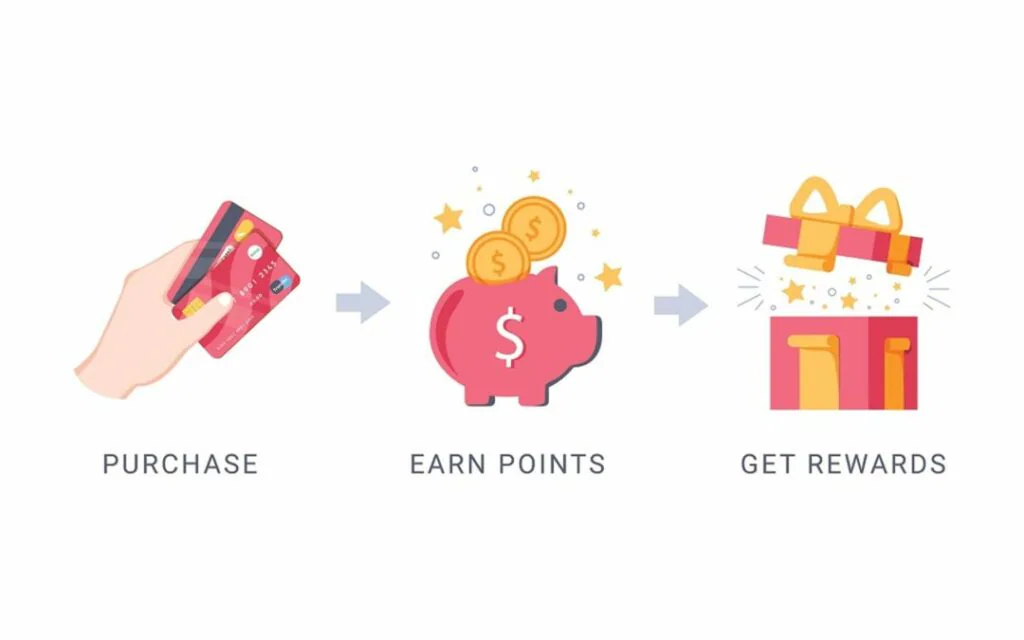
Image source: Flex Rewards
Customers collect points on eligible spending and exchange them for a defined reward. This can make progress visible across purchases of different values.
Best for: Retailers, restaurants and online stores with repeat purchases.
Example: Earn one point per $1 of eligible purchases and exchange 100 points for a $5 discount on a qualifying future order.
What to consider: Keep an accurate member balance and explain exclusions, expiry and refunds. Decide whether earning is automatic through a supported connection or recorded by staff. Customers should know where to check progress and how to redeem; a points number without a clear reward can be difficult to interpret.
2. Punch card and stamp rewards
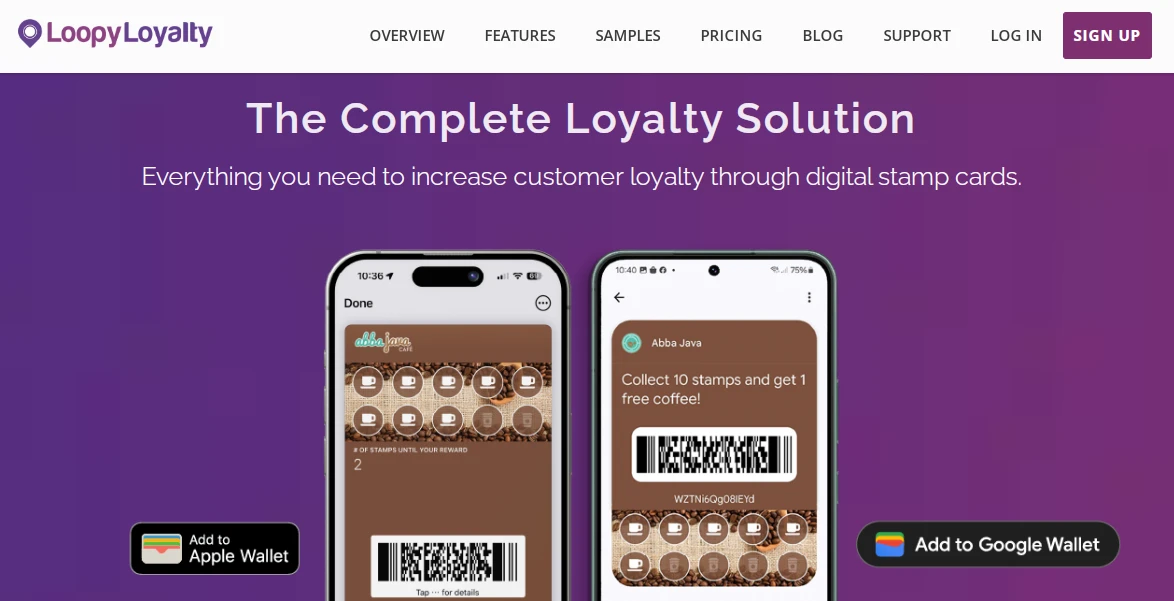
Image source: Loopy Loyalty
Customers collect a stamp or recorded visit toward a reward. The format suits a repeat action that is easy to recognize.
Best for: Cafés, car washes, salons and other local services.
Example: Buy nine qualifying coffees and receive the tenth free.
What to consider: Specify which purchases count, whether multiple items earn multiple stamps and how staff mark redemption. Printed spaces need a consistent marking process; digital progress needs suitable tracking. Use loyalty card templates to choose the presentation, then test the actual process. The card should communicate the offer without requiring a long explanation at the counter.
3. Tiered VIP rewards
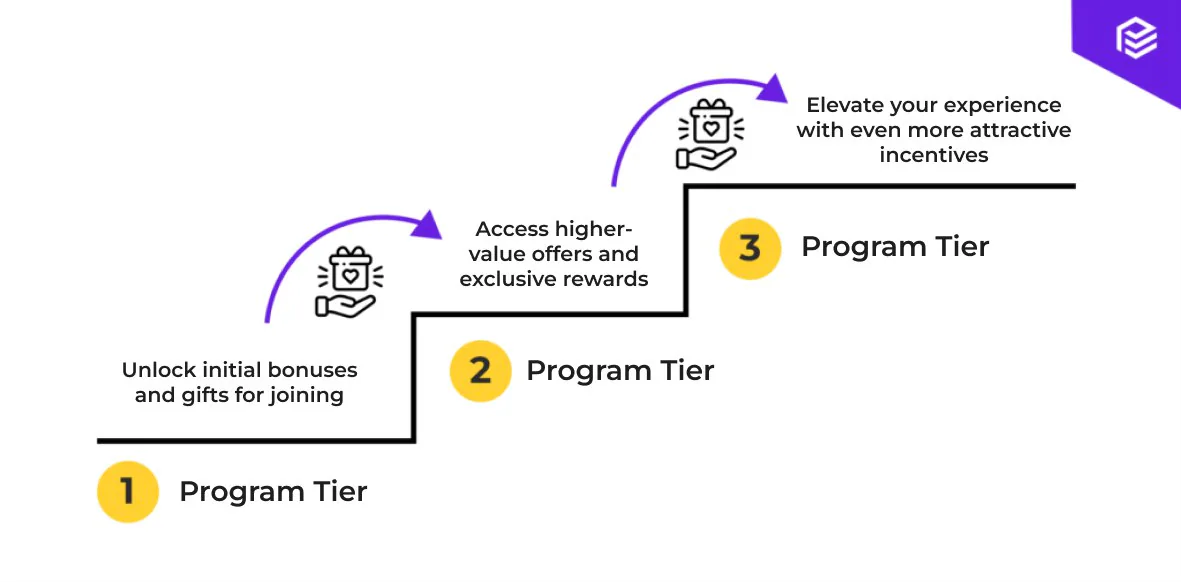
Image source: Priceva
Members qualify for different benefits based on spending or activity. This recognizes a longer customer relationship rather than offering only the next transaction reward.
Best for: Premium retailers and businesses whose customers have meaningfully different spending patterns.
Example: A retailer defines annual spending thresholds for standard and VIP status, with VIP members receiving a scheduled styling appointment and early collection access.
What to consider: Make qualification, renewal and any downgrade rules clear. Budget for the benefits if more customers qualify than expected. Our tiered loyalty program guide covers structuring levels; the idea here is to choose benefits customers can actually use.
4. Give-and-get referral rewards
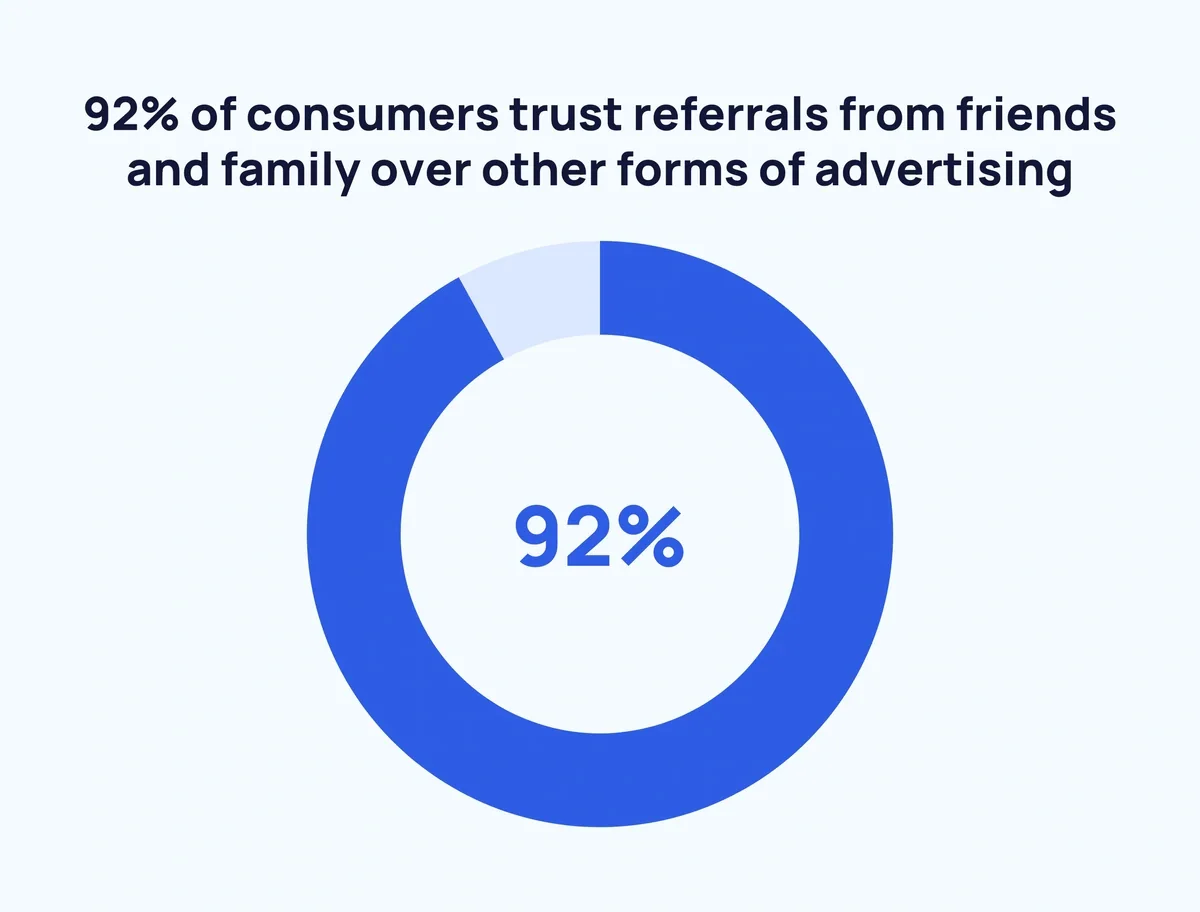
Image source: Exploding Topics
A qualifying referral earns a benefit for the existing customer and the new customer. The incentive is tied to an identifiable result, not simply publishing a social post.
The graphic’s trust figure comes from Nielsen’s 2012 global survey; it is historical context, not a forecast of referral conversions.
Best for: Local services, ecommerce and businesses that customers naturally recommend.
Example: Both customers receive a reward after the referred shopper completes an eligible first purchase.
What to consider: Define a new customer, verify the purchase and prevent duplicate or self-referrals. Consider what happens after a refund. Rewards for public endorsements also raise disclosure and platform-rule questions; use the FTC’s endorsement guidance when planning incentivized promotion. A referral benefit is not permission to pay for positive reviews.
5. Birthday and anniversary rewards
Recognize an eligible member during a birthday month or on the anniversary of joining. A predictable personal occasion can provide a useful reason to reconnect. A modest gift card is one option if it fits your budget and redemption process.
Best for: Retail, cafés, hospitality and appointment-based services.
Example: Offer one eligible birthday benefit during the member’s birthday month, with a clearly stated claim period.
What to consider: Request only the date information you need, define eligibility and prevent repeated claims. A digital coupon may help present an offer, but delivery and redemption still need configuration. Explain any purchase requirement upfront and keep communications consistent with the customer’s preferences. Budget for the offer across all eligible members.
6. Surprise thank-you gifts

Image source: Freepik
An unexpected, modest benefit can recognize a customer milestone without making every interaction a discount offer.
Best for: Specialty retailers, coffee roasters and businesses with personal customer relationships.
Example: A roaster gives a regular customer a branded mug after a qualifying milestone in bag purchases.
What to consider: Set a staff-approved budget and an internal eligibility rule so gifting is consistent rather than arbitrary. Stock and delivery still cost money, even if the gift is inexpensive. Explain any restrictions when the benefit is offered. A surprise should supplement reliable service; it cannot compensate for unresolved order or redemption problems.
7. Personalized loyalty offers
Use relevant preferences or eligible purchase history to offer something a customer is likely to value.
Best for: Online stores and retailers with reliable, appropriately collected customer information.
Example: A skincare retailer offers a member a benefit on their preferred product category rather than sending the same promotion to every customer.
What to consider: Check the quality of your loyalty program data and allow preferences to change. Avoid making sensitive assumptions or using more information than the offer needs. Explain exclusions clearly and honor communication choices. Personalization can be as simple as letting customers choose an interest; it does not require predictive software to be useful.
8. Choose-your-own rewards

Image source: Freepik
Let members choose among rewards that have comparable costs to the business. This accommodates different preferences without creating a separate program for everyone.
Best for: Pet stores, mixed-category retailers and businesses serving varied customer needs.
Example: At a defined threshold, a pet-store customer chooses between an eligible product and a specified grooming-service benefit.
What to consider: Compare fulfillment and staff costs, not just retail prices. State what happens if a reward is unavailable and whether a choice can be changed. Offer a small, understandable selection rather than a large catalog that is difficult to administer. Track which options people use before expanding the choices.
9. Limited-time bonus points and challenges
Offer additional earning during a defined period or for a specified activity. This is a temporary enhancement to an existing reward model.
Best for: Retailers, cafés and ecommerce businesses with regular purchase activity.
Example: Members earn double points on eligible purchases during a stated promotional week.
What to consider: Publish the dates, qualifying products, exclusions and whether offers can be combined. Your tracking process must distinguish promotional activity from ordinary earning and handle returns correctly. Compare the extra reward cost with results; purchases during the offer may have happened anyway. Keep challenges attainable and avoid relying on constant promotions that customers come to expect.
10. Early access to products and launches
Give eligible members a defined opportunity to shop or preview a collection before general release.
Best for: Fashion, beauty, specialty food and other product-led brands.
Example: Members can order a seasonal gift collection during an advance shopping window.
What to consider: Confirm stock allocation, access controls and how the wider launch is affected. Early access should describe a real benefit rather than suggesting inventory is reserved when it is not. If the offer is only a preview, make that distinction clear. This approach may suit customers who value availability or discovery more than a price reduction.
11. Exclusive events and workshops
Bring members together for an experience related to the business’s products or expertise. A tour or lesson can give members a useful way to learn more about what they buy.
Best for: Garden centers, bookstores, coffee roasters and community-focused retailers.
Example: A gardening shop hosts a member workshop on seasonal pruning, with registration and limited spaces.
What to consider: Budget for preparation, instructors, materials and staff. Publish booking and cancellation rules, and offer a fair way to allocate places. Digital tickets may be useful when entry needs checking. An event should be relevant to participants; attendance and feedback can tell you more than the number of invitations sent.
12. Paid membership benefits

Image source: Freepik
Customers pay for a defined package of ongoing benefits. This suits an offer with value beyond an occasional purchase discount.
Best for: Businesses with frequent repeat customers or services members use regularly.
Example: An annual bookstore membership includes specified discounts and access to scheduled author events.
What to consider: Calculate usage and delivery costs, explain renewal and cancellation, and identify members consistently, perhaps with a scannable membership card. Confirm that members can realistically use the benefits.
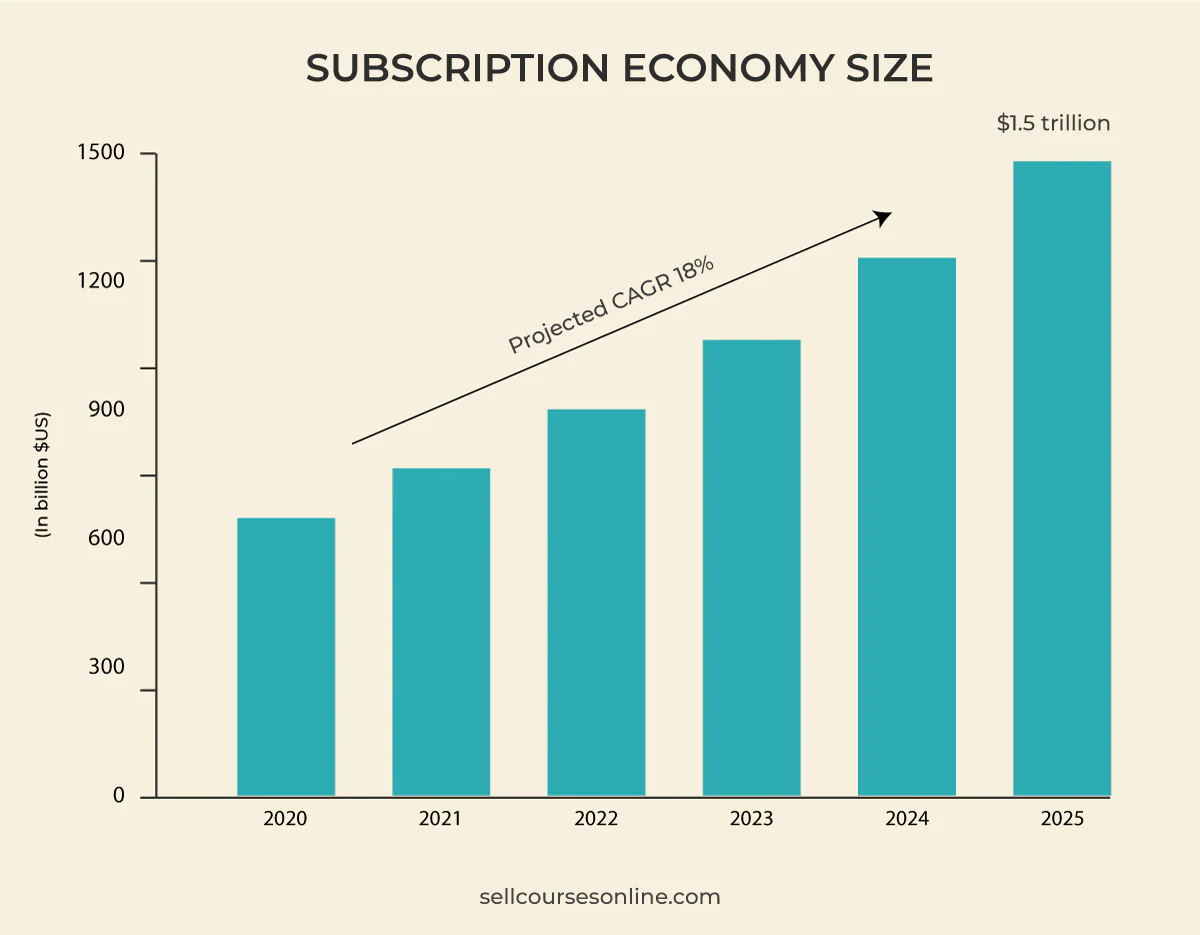
Image source: SellCoursesOnline
The chart shows a third-party subscription-market projection through 2025. Such a forecast does not establish the economics of a particular membership offer; use your own benefit costs and expected participation.
13. Gamified achievements and visit streaks
Use a clear challenge or achievement to recognize progress. A badge or completed streak can mark the milestone without requiring a dedicated app.
Best for: Fitness services, cafés and businesses with naturally recurring visits.
Example: Members earn an additional benefit after four eligible visits during a defined month.
What to consider: Explain how visits are verified, whether multiple visits on one day count and when progress resets. A badge should represent a meaningful milestone rather than hide confusing reward rules. For broader mechanics, see gamification loyalty programs. Choose a challenge that fits normal customer behavior and can be administered reliably.
14. Charitable and cause-based rewards
Allow customers to direct eligible reward value toward a named cause, with a clear commitment from the business.
Best for: Businesses with a relevant cause relationship and the capacity to manage donations.
Example: At a defined points threshold, a member chooses a specified donation to a named charity.
What to consider: Agree on the arrangement, define the conversion and keep records of the amounts committed and delivered. Explain any caps or time limits and do not promise a specific environmental outcome without evidence. A donation option should be meaningful and transparent, rather than a vague statement that purchases “support a cause.”
15. Cashback and store-credit rewards
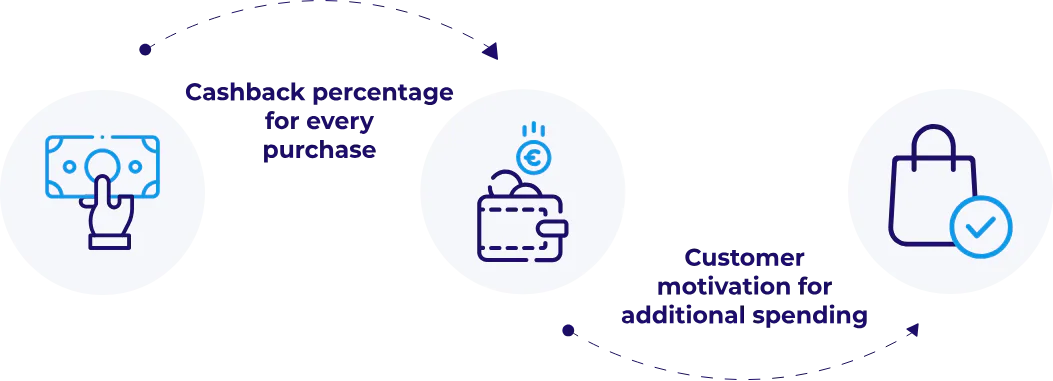
Image source: Zmart Solutions
Eligible spending earns value that the customer can use later. Store credit and cash paid back are different offers, so state which one you provide.
Best for: Retailers and online stores with recurring purchases and reliable transaction records.
Example: An eligible purchase earns 2% in future-spend store credit under the program’s rules.
What to consider: Define when credit becomes available, where it can be used and how returns affect it. Track outstanding credit and its delivery cost. Do not describe restricted store credit as cash. Check your checkout’s support before promising automatic application or use across multiple locations.
16. Partner rewards with complementary businesses
Coordinate a benefit between businesses whose products or services fit together. A single partner offer can be easier to administer than a shared points scheme across several businesses.
Best for: Complementary local businesses, such as a fitness studio and a nearby café.
Example: An eligible studio member receives a defined café benefit after completing a qualifying milestone.
What to consider: Agree who funds the offer, verifies eligibility and records redemption. Keep customer data sharing limited to what is needed and appropriately authorized. Explain exclusions and the end date. Start with one simple benefit before attempting shared balances or complex settlement between businesses.
17. Free consultations and personalized services
Offer a specified service after a customer reaches a threshold. This can reward customers with expertise or convenience rather than a price discount.
Best for: Home-improvement stores, beauty retailers and service-led businesses.
Example: Members meeting an annual spending threshold qualify for a complimentary 30-minute consultation.
What to consider: Name the service, eligible provider, booking process and any capacity limit. Staff time and expertise have a cost even when the customer pays nothing. Clarify what is included so the appointment does not become an open-ended commitment. Ask whether customers find the service useful before extending it to more members.
How to choose the right loyalty program idea
Match the idea to the behavior you want to encourage. Repeat purchases, new-customer referrals and event participation are different objectives; measure the action your reward actually supports.
| Business situation | Ideas to consider | Operational consideration |
|---|---|---|
| Frequent, inexpensive purchases | Stamps or points | Accurate visit recording |
| Occasional, higher-value purchases | VIP benefits or consultations | Attainable thresholds |
| Ecommerce repeat purchases | Points or personalized offers | Store and loyalty data |
| Local service business | Referrals or visit rewards | Staff verification |
| Engaged customer community | Events or early access | Capacity and relevance |
Look at purchase frequency, average transaction value and margins. Ask customers whether they prefer savings, recognition, convenience or experiences. For ecommerce loyalty programs, check how orders reach the loyalty record. In-store, assess staff time, scanning and what happens when a customer forgets their identifier.
A $5 discount after $100 of eligible spending has a nominal reward value of 5%. It does not establish actual cost or profitability: redemption, margins, administration and additional purchases all matter. Use that calculation to compare offers, not to promise a return.
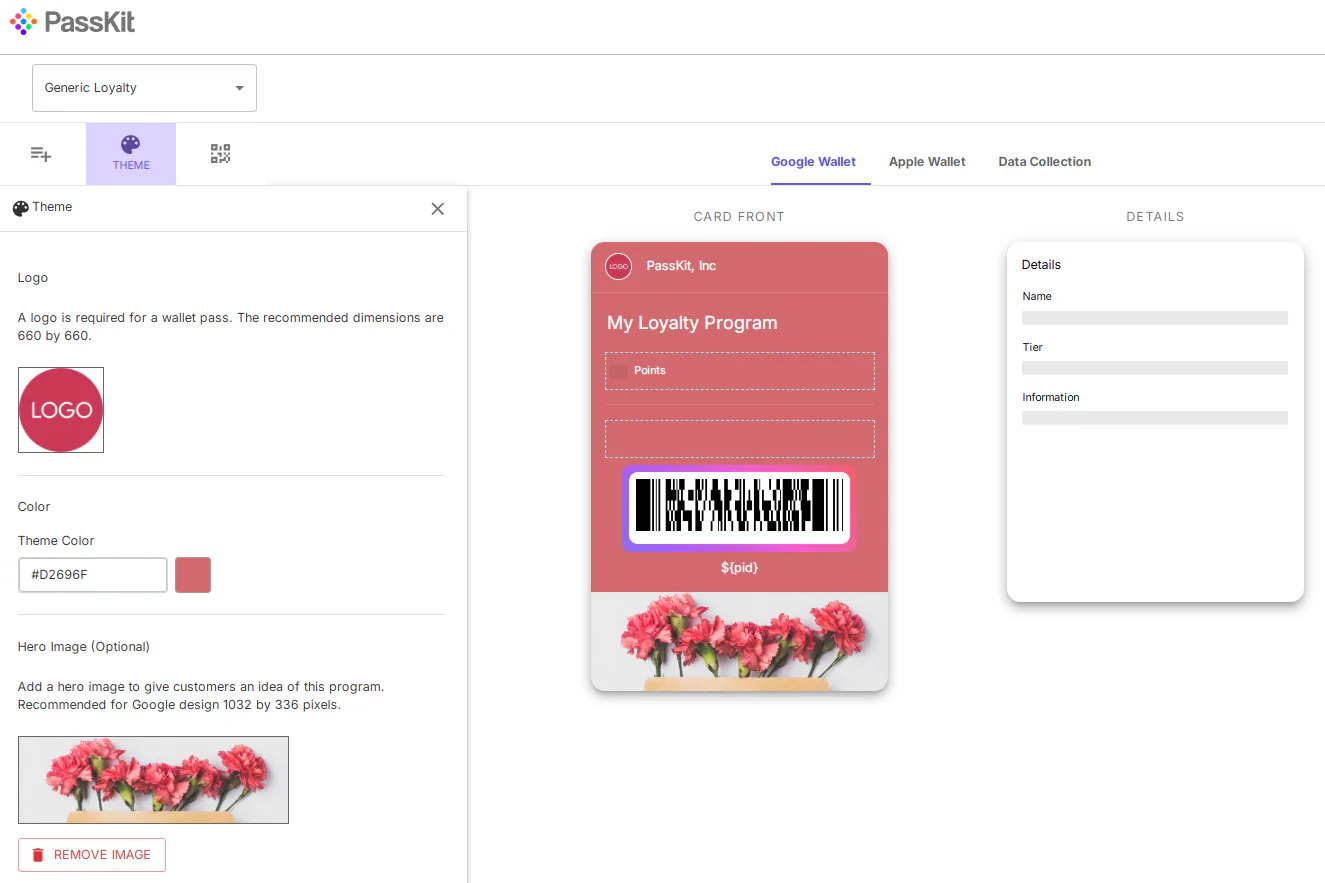
Choose a card design that communicates the offer, and determine whether staff can manage it manually or need loyalty program management software. Keep the initial choice manageable. For deeper planning, see designing a loyalty program; for a launch walkthrough, use rewards programs for small business.
Popular types of customer loyalty programs
A program type is its underlying reward structure; an idea is a way to use or enhance that structure. A birthday benefit, for instance, can sit alongside points or tiers.
- Points-based: Purchases or other eligible activity earn a balance, as in idea 1.
- Tiered: Qualification unlocks benefits, as in idea 3.
- Referral-based: A verified referral triggers an incentive, as in idea 4.
- Paid membership: A fee provides defined benefits, as in idea 12.
- Cashback or credit: Spending generates future value, as in idea 15.
- Punch or stamp-based: A recorded visit advances progress, as in idea 2.
You can combine structures, but every added rule increases communication and administration. Choose one workable foundation, then add a relevant customer incentive when the existing process supports it.
Real examples of customer loyalty programs

Image source: Freepik
These are documented brand programs, separate from the illustrative offers above. Details vary by market and change over time; the useful comparison is how each connects earning, benefits and redemption.
Starbucks Rewards
Starbucks’ March 2026 announcement describes the reimagined program’s Green, Gold and Reserve levels, with differentiated benefits and earning opportunities.
For a smaller business, the lesson is to make levels visibly different and explain what each unlocks. You could adapt a relevant tier benefit or occasional bonus opportunity without copying the scale of Starbucks’ program. Budget for the additional benefit before making it part of the customer promise.
Sephora Beauty Insider
Sephora’s Beauty Insider program combines points on eligible purchases with Insider, VIB and Rouge membership tiers in the US and Canada. Members can see their status and reward information through their account.
This illustrates how a retailer can recognize different purchasing patterns while preserving a basic earning model. A smaller shop might begin with one achievable reward and later add a meaningful status benefit. The operational requirement is accurate member identification and consistent rules across eligible channels.
The North Face XPLR Pass
The North Face’s terms effective October 7, 2026 describe purchase-based points and member benefits. They distinguish points earned from points eligible for redemption after a 30-day activation period.
The lesson is to show the difference between recorded progress and spendable rewards. If your own program has a waiting period, explain it before customers earn and display the status clearly. Do not assume an older description of a brand’s reward thresholds still applies after a program change.
MyMcDonald’s Rewards
MyMcDonald’s Rewards uses points from eligible purchases and a choice of food rewards. Its US instructions explain identifying through a code or scan, and choosing a reward through the app.
For a smaller restaurant, the useful lesson is the clarity of the earning and redemption route. Staff need to recognize the member before the purchase is recorded, and customers need to know when to present or select a reward. A clear checkout process matters as much as the offer.
REI Co-op Membership
REI’s membership terms describe a co-op membership with ongoing benefits and a Co-op Member Reward that can include a patronage dividend, promotional reward or both. This is distinct from an ordinary monthly points subscription.
The smaller-business lesson is to define what membership provides over time and distinguish ongoing benefits from conditional rewards. A service, community event or other relevant benefit can support membership value, but its availability and cost must be planned. Avoid promising a guaranteed annual return.
How to test and measure a loyalty program idea
Pilot one idea with a manageable audience and a defined review period. Record the baseline, eligible activity, reward and redemption rules before launch.
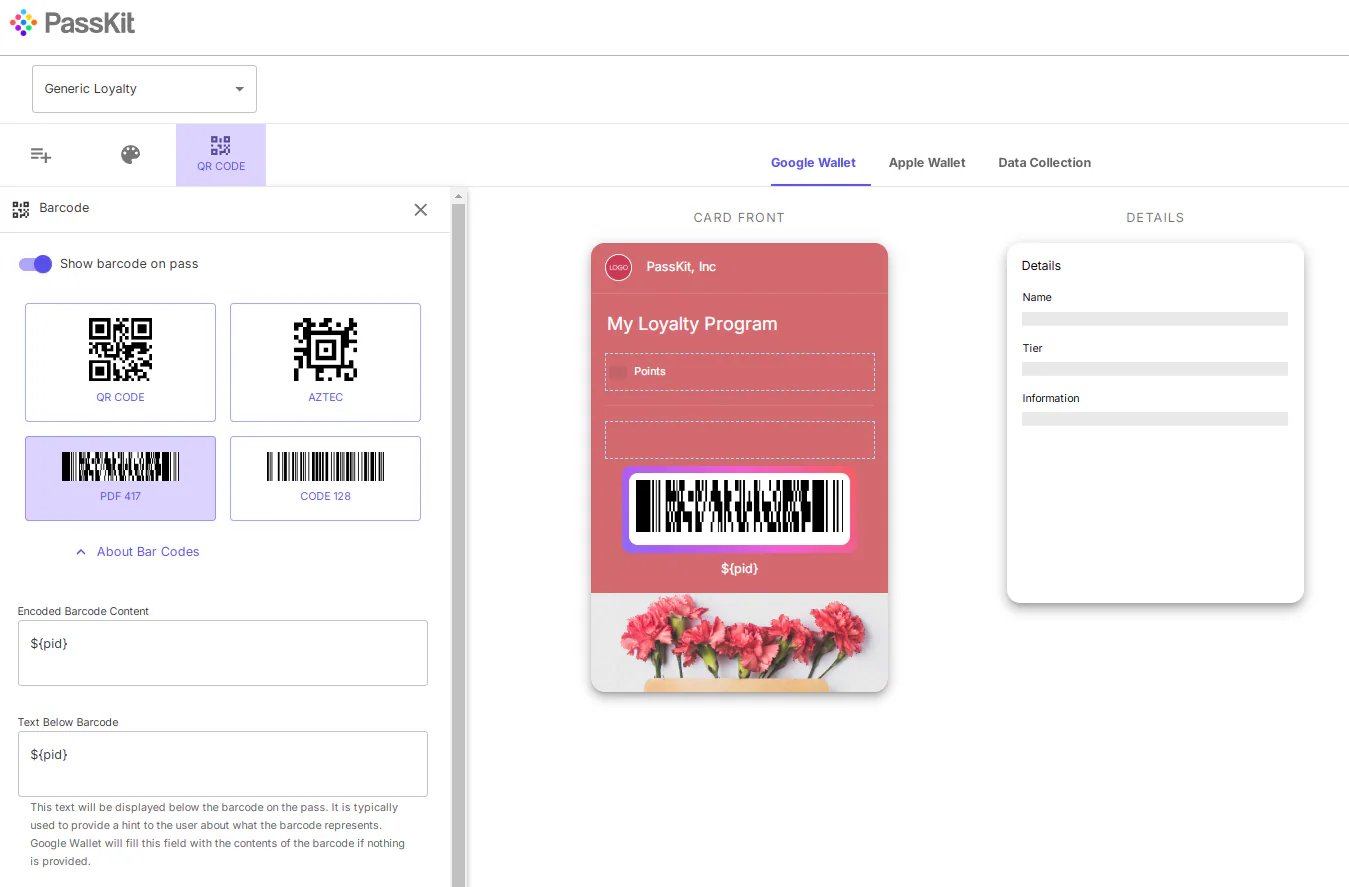
Test the customer journey with staff: identify a sample member, record the qualifying action, check progress and redeem. Include a refund or correction where applicable. A barcode or QR code can identify a record; the connected process determines what happens next.
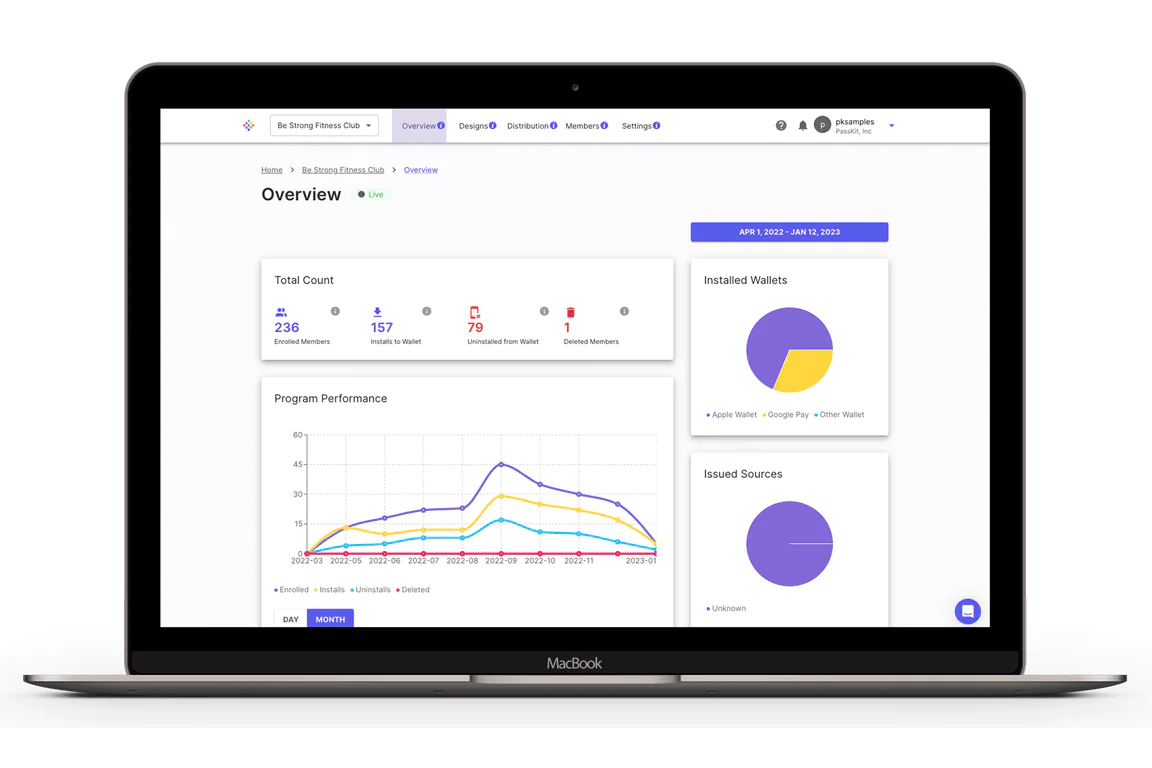
Review participation, repeat purchase rate, purchase frequency, redemption and reward plus operating costs. Sales measures come from transaction records; reward activity comes from the loyalty process. Use customer loyalty analytics and consistent loyalty program KPIs for deeper measurement.
Ask customers and staff what was confusing or worthwhile. Honest private surveys or suggestions can inform changes; do not condition a benefit on positive feedback. Google prohibits incentives for Business Profile reviews, and the FTC’s review-rule guidance explains restrictions around compensated reviews. Private feedback is not interchangeable with a public endorsement.
Compare similar periods or groups where practical. Higher spending by members alone does not prove the program caused the difference. Adjust or stop an idea when its results and costs do not support continuing.
How PassKit can support digital loyalty cards
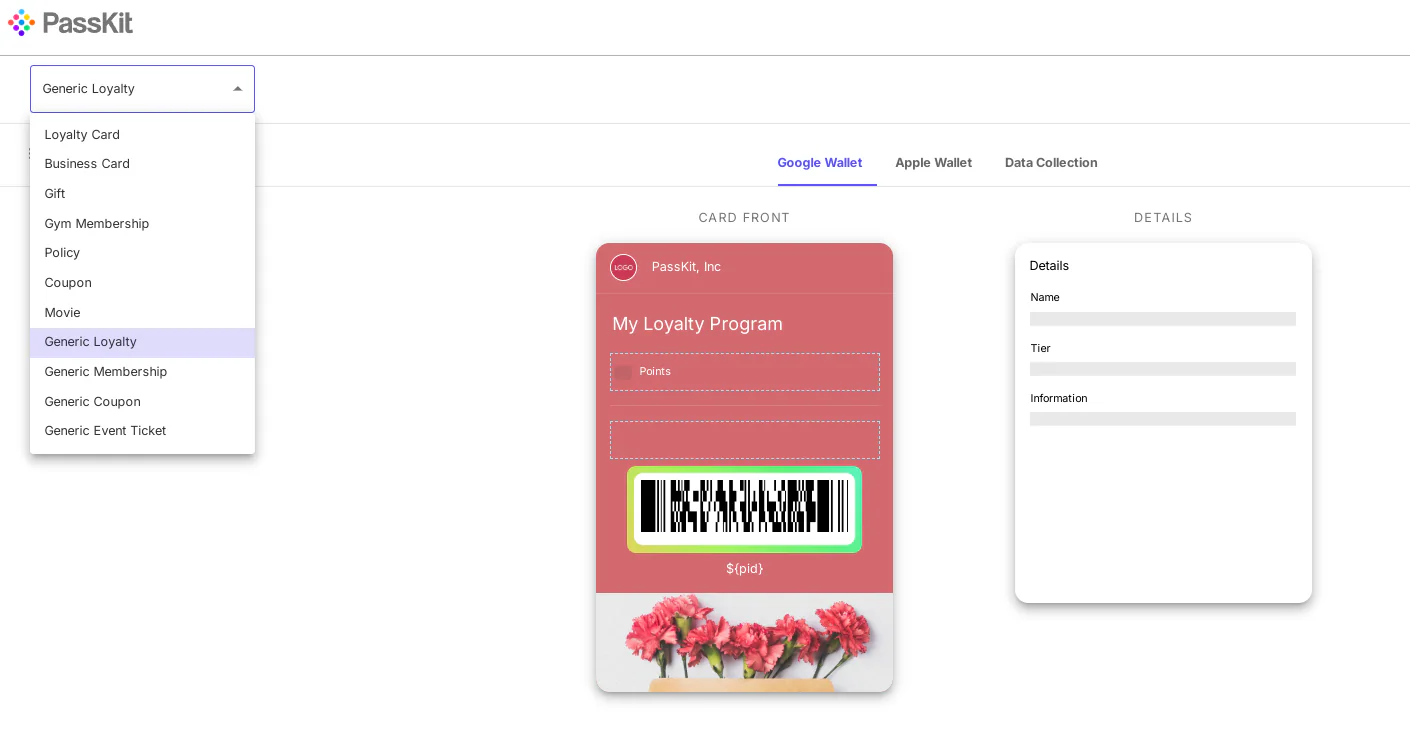
PassKit’s documented capabilities include branded digital loyalty passes for Apple Wallet and Google Wallet, member identification, supported barcodes and updates to pass information. A card can present a points balance or tier, with supported links and channels used to distribute it.
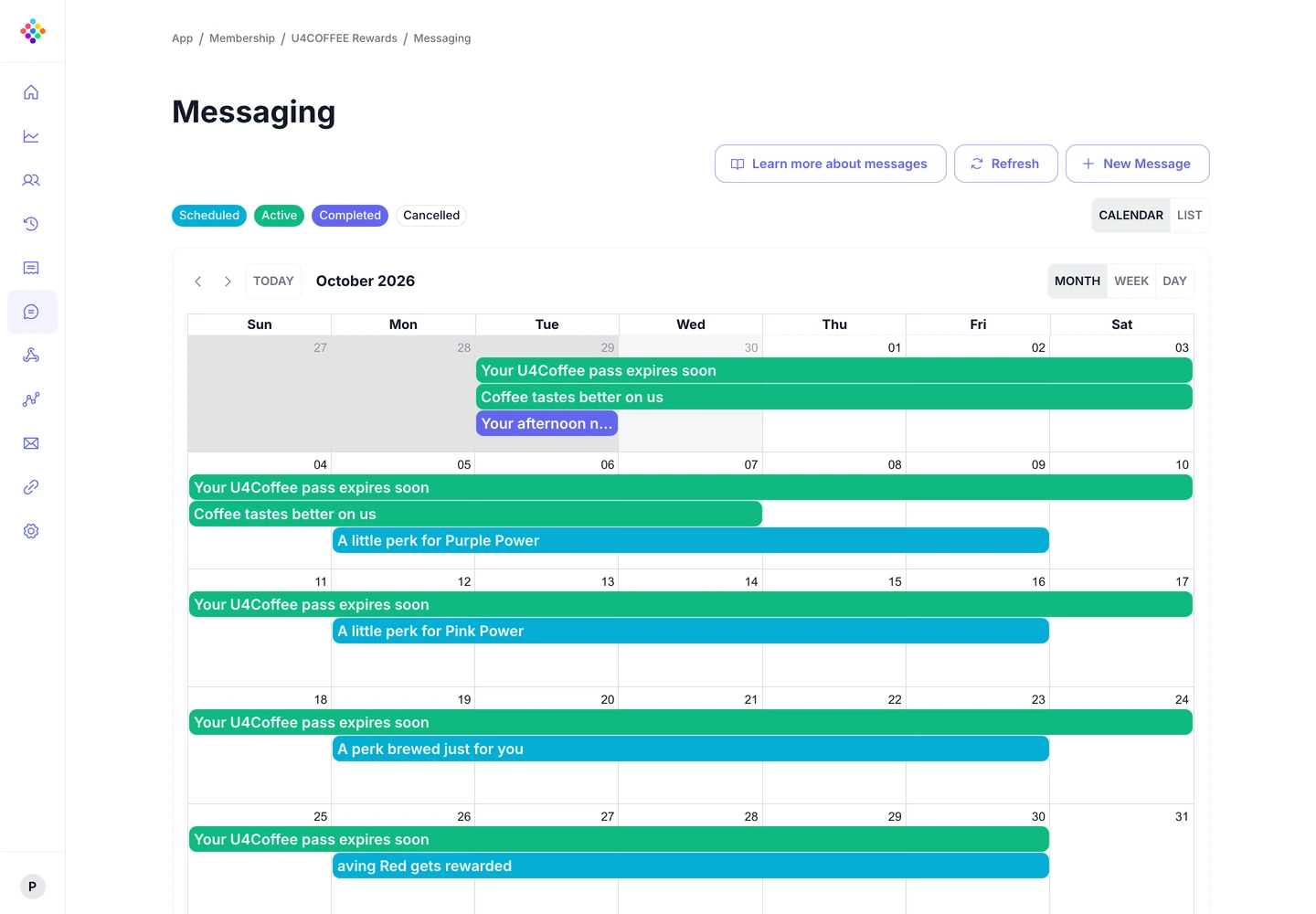
PassKit Messaging calendar showing scheduled wallet communications.
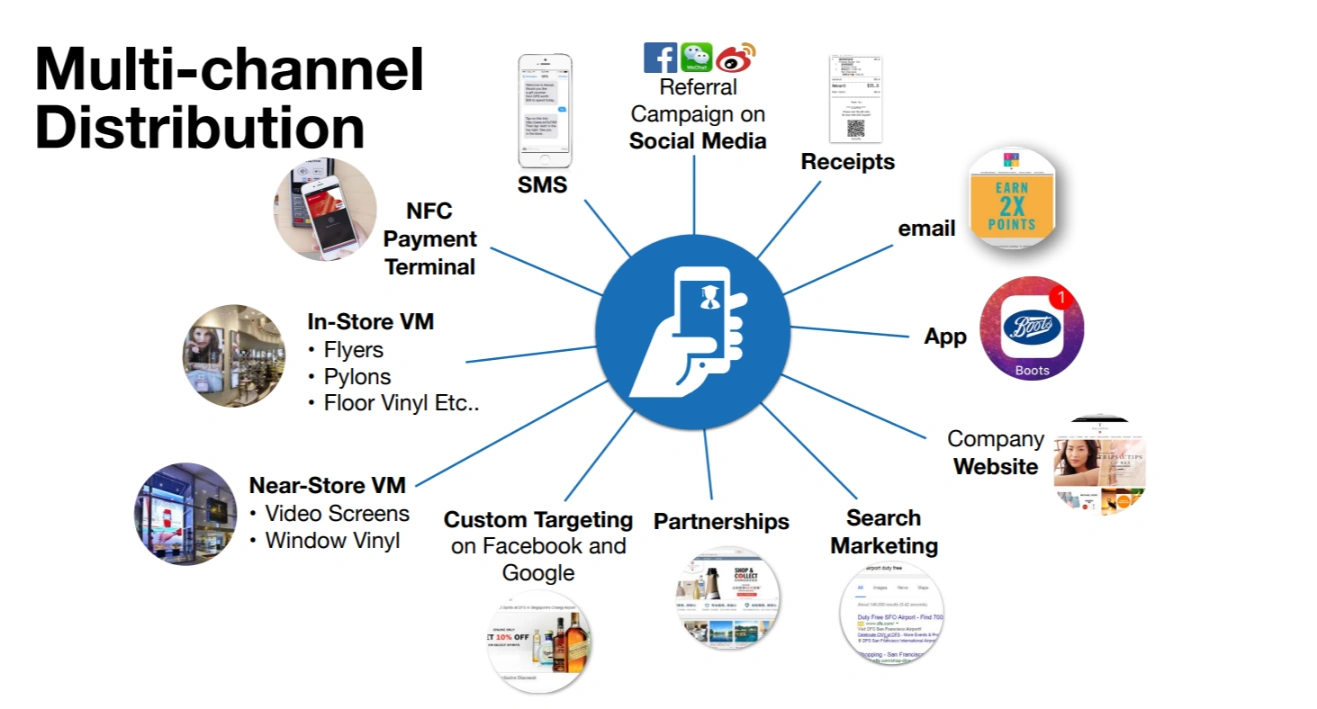
The distribution route should fit the program. A website, email, SMS or printed QR code can lead to a pass, but the diagram’s possible channels do not mean every connection is configured automatically. For detailed creation and distribution steps, see how to make loyalty cards.
PassReader can scan a member’s pass and let authorized staff adjust loyalty points in a supported setup. Purchase-linked automation needs the appropriate event tracking and connection to the business system, as explained in planning your integration. Issuing a pass does not automatically record sales or apply every proposed reward.
PassKit’s dashboard analytics definitions describe card records, installs, uninstalls and deletions. Those measures do not independently calculate customer lifetime value, repeat-purchase revenue or ROI.
Explore the PassKit template library if a wallet card fits the idea you choose.
Final thoughts
Choose one idea customers can understand and your team can deliver. Define an achievable reward, check its cost and test the process. Keep useful features, refine confusing rules and expand only when the evidence supports it.
FAQs about customer loyalty program ideas
What should a loyalty program include?
Include a clear qualifying action, an attainable reward, eligibility rules and a way to record progress and redemption. Customers should know what they receive and how to use it. Staff also need consistent instructions, while the business needs a budget and a method for reviewing results.
What are the best loyalty program ideas for small businesses?
The best fit depends on buying habits, margins and staff capacity. Stamps can suit frequent visits, referrals can suit local services, and points can reflect varied spending. Start with one understandable offer and a reliable recording method, then use feedback and costs to decide whether to expand.
What are some inexpensive ways to reward loyal customers?
Consider early access, a small product benefit, recognition or a short educational event that fits your business. “Inexpensive” depends on your costs: staff time, fulfillment and administration still matter. Avoid promising unlimited benefits or discounts before estimating how many members will use them.
How can I reward customers without offering discounts?
Offer relevant experiences, priority access, a consultation, a surprise gift or a choice of benefits. These can recognize loyalty while preserving the normal product price. Check capacity and delivery costs, and make eligibility clear so customers know when the benefit is available.
What are examples of successful customer loyalty programs?
Starbucks Rewards, Sephora Beauty Insider, XPLR Pass and MyMcDonald’s Rewards illustrate different points, status and redemption choices. REI shows a co-op membership approach. Study the mechanics and terms described above; a recognizable brand program does not establish that copying it will deliver the same results.
What loyalty program ideas work for cafés and restaurants?
Stamp cards, points, birthday benefits and defined visit challenges may fit frequent purchases. State which items count and how the reward is claimed. Test identification and redemption during normal service, including different ordering channels, rather than choosing an offer solely because another venue uses it.
What loyalty program ideas work for online stores?
Purchase points, relevant personalized offers, referrals, early collection access and reward choice can fit online shopping. Confirm how customer accounts, eligible orders and refunds connect to the loyalty record. The idea should work within the actual checkout experience, not just appear in a promotional email.
How do I choose between points, punch cards and VIP benefits?
Use stamps when a simple count represents the behavior, points when eligible spending varies, and VIP benefits when ongoing status offers meaningful value. Check what customers purchase, how frequently they return and what staff or software can record reliably. Keep qualification and redemption understandable.
Can I run a loyalty program without a mobile app?
Yes. Depending on the model, you can use physical cards, staff-managed records, a web account or passes saved in a compatible wallet. A dedicated app is one option. Every approach still needs a suitable way to verify activity and administer rewards; a digital card alone does not provide the whole process.
How do I measure whether a loyalty program idea works?
Compare participation, repeat purchases, redemption and total reward and operating costs with your baseline and objective. Collect customer and staff feedback too. Account for seasonality and other promotions, and avoid treating a spending difference between members and nonmembers as proof of the idea’s impact.