
Ecommerce Loyalty Programs: Types, Examples and Setup Guide
Plan an ecommerce loyalty program around purchase frequency, checkout, refunds and reward costs, with a worked customer journey and measurement examples.
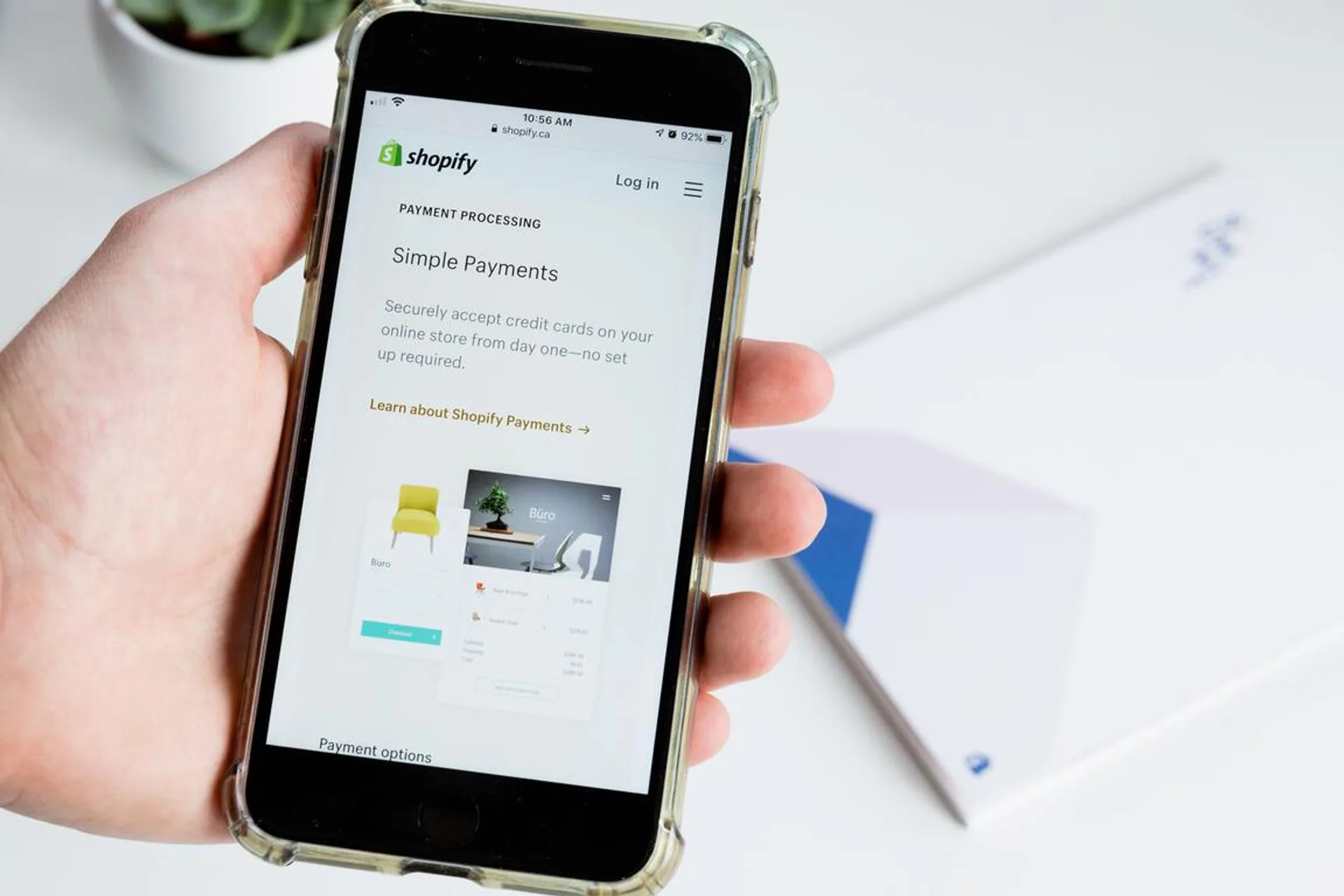
Ecommerce loyalty programs give customers a reason to make another purchase through points, member benefits or paid perks. A useful program makes three things clear: what the customer earns, when the benefit becomes available and how to use it at checkout.
Start with the shopping behavior you want to change. A skincare store may want customers to reorder before their usual supply runs out. A specialist retailer may need a stronger reason for an occasional buyer to return. Choose the reward around that buying pattern, then connect it to the store’s accounts, orders and refunds.
How do ecommerce loyalty programs work?

Image source: Unsplash
A customer joins or is identified through a store account. Eligible purchases or activities generate points or benefits. The customer sees their progress, qualifies for a reward and applies it through the supported account, code or checkout process.
The ecommerce platform provides order and payment information. Loyalty software applies the earning and redemption rules. An optional wallet pass can display the member’s identifier, balance or status. The systems need a shared customer record and an agreed process for updating it.
For a program to be useful, the next reward must feel attainable within the customer’s normal buying cycle. Work backward from a typical basket and repeat-purchase interval before choosing a threshold.
Choose rewards around purchase frequency and margin

Image source: Freepik
Compare your recent orders before selecting a model. Look at the time between purchases, common basket values, contribution margins and the products customers reorder. Define one initial objective, such as increasing the share of first-time buyers who place a second order within 90 days.
| Shopping pattern | Starting model to evaluate | Customer benefit | Decision to make before launch |
|---|---|---|---|
| Frequent replenishment purchases | Points or a repeat-purchase reward | Progress toward an attainable discount, product or delivery benefit | Can a normal customer earn a useful reward before losing interest? |
| Different levels of annual spending | Membership tiers | Benefits associated with an achievable spending or activity level | What extra value does each tier provide, and what does it cost to deliver? |
| Regular use of a valuable ongoing service | Paid membership | A defined package of recurring benefits | Will expected usage justify the fee for members and the delivery cost for the business? |
A high threshold can discourage an occasional buyer, while a frequent shopper may value convenience more than another percentage discount. For expensive, infrequently purchased products, consider service benefits, relevant accessories or early access that fit the relationship between purchases.
How points, tiers and other mechanics fit together
Image source: Pexels
Points, tiers and paid membership can be combined in a hybrid. For example, a store might offer points to every member and an additional service benefit to customers reaching a higher tier. Start with one structure and add another only when the extra benefit is clear and affordable.
Referrals, birthdays and community participation are possible earning activities or benefits within the program. Define the qualifying action and verification process for each. A coalition adds participating businesses and requires agreed rules for earning, redemption and settlement across partners.
For more reward structures, see customer loyalty program ideas.
Paid membership and subscription benefits
A paid membership needs its own renewal, cancellation and benefit rules. A membership tool such as Memberful belongs in that evaluation alongside the systems selling products and fulfilling benefits. Confirm how the member’s status reaches the store and what happens to access when the subscription changes.
Choose paid membership when customers can explain why the recurring benefit is worth paying for. Use purchase-based rewards when the primary aim is recognizing eligible shopping activity.
Define earning and redemption before choosing integrations

Image source: Freepik
Turn the offer into rules the store can apply to a real basket. The following decisions prevent disagreements between the product page, customer account and checkout.
| Decision | What to specify |
|---|---|
| Eligible spending | Whether points use merchandise value before or after discounts, and whether shipping, tax or particular products count |
| Earning time | Whether points become available after confirmed payment, fulfillment or a chosen return period |
| Reward value | The points or activity required, the benefit received and any minimum basket value |
| Discount combinations | Whether a reward combines with sale prices, promotion codes or another reward |
| Returns | How full and partial refunds reverse points and affect a reward already used |
| Guest orders | Whether customers can claim past purchases after joining, and how ownership and duplicate claims are checked |
| Expiry and membership changes | When points or benefits expire and how members are informed |
Write the customer explanation alongside the internal rule. “Earn one point per $1 of eligible merchandise after discounts” is more useful than “Earn points on every order” if shipping, tax or some products are excluded.
Worked example: two orders, a reward and a partial refund
Consider a store that offers one point per $1 of eligible merchandise after discounts, excluding shipping and tax. A member can exchange 100 points for $5 off a qualifying order. The store allows one loyalty reward per order and does not combine it with another order-level promotion code.
- Join and identify. The customer creates or connects a store account. The product page explains the offer and the account shows zero points.
- Complete a $60 eligible order. After payment is confirmed, the configured loyalty system adds 60 points. The order confirmation explains where to see the balance.
- Return for a $40 eligible order. The account reaches 100 points and shows the available $5 reward with its conditions.
- Redeem on a $50 eligible order. The customer applies the reward, pays $45 for the merchandise and uses 100 points. Under this store’s rules, the paid $45 earns 45 new points.
- Return a $20 item from the first order. The store reverses the original 20 points earned on that item. The customer’s balance moves from 45 to 25, and the account explains the adjustment.
The return references the original earning order, so the same item cannot reverse points twice. If a refund would exceed the member’s remaining points, the merchant needs a defined negative-balance or recovery policy supported by its software.
A guest who later joins also needs a clear route. If the store permits claiming an earlier order, verify ownership, associate it with the existing member and check that it has not already earned rewards. Giving the guest a second account makes both balances harder to explain.
This is the journey to test before promoting the program: enrollment, earning, reward selection, checkout, partial refund and customer support. Repeat it with a failed payment and an incompatible promotion code.
Connect your existing store to the loyalty workflow
Select loyalty software around the ecommerce platform you already use. Compare checkout compatibility and supported order events before browsing cosmetic features. Our loyalty program apps comparison is a starting point for a product shortlist.
Use a small event map to explain what must move between systems:
| Business event | Information the loyalty workflow needs | Result to check |
|---|---|---|
| Member joins | Stable customer ID and required membership details | One membership linked to the intended store account |
| Eligible order is paid | Order ID, member ID, eligible amount, currency and payment state | Correct earning recorded once |
| Item is refunded | Original order and item reference, returned value and member ID | Appropriate reversal without processing the same refund twice |
| Reward is applied | Reward identifier, member, conditions and confirmed checkout result | Discount applied and reward use recorded consistently |
Shopify stores
Ask the loyalty supplier to demonstrate your actual customer-account and checkout experience, including reward selection, an excluded product and a refund. Establish which parts use its store app and which need an additional connection. Include any required platform plan or paid service in the quote.
WooCommerce stores
Check the proposed loyalty extension against the site’s checkout, payment and subscription extensions. Ask who tests compatibility after updates and how a failed order or refund reaches the reward record. Run the example journey in a suitable test environment before changing the live checkout.
Ecwid stores
Confirm the exact customer and order information available to the proposed loyalty connection. Demonstrate where a member sees progress and how a reward is redeemed through each sales channel you use. Assign ownership for updating the connection if your store setup changes.
Adding a wallet pass
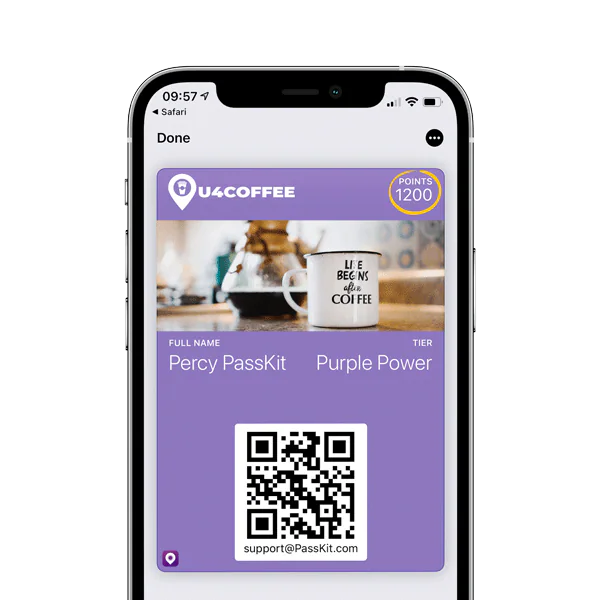
A store account may be sufficient for online rewards. A wallet pass can add convenient membership access when customers also shop in person or need a saved credential. Decide which customer job the pass serves, then supply its displayed information from the appropriate business system.
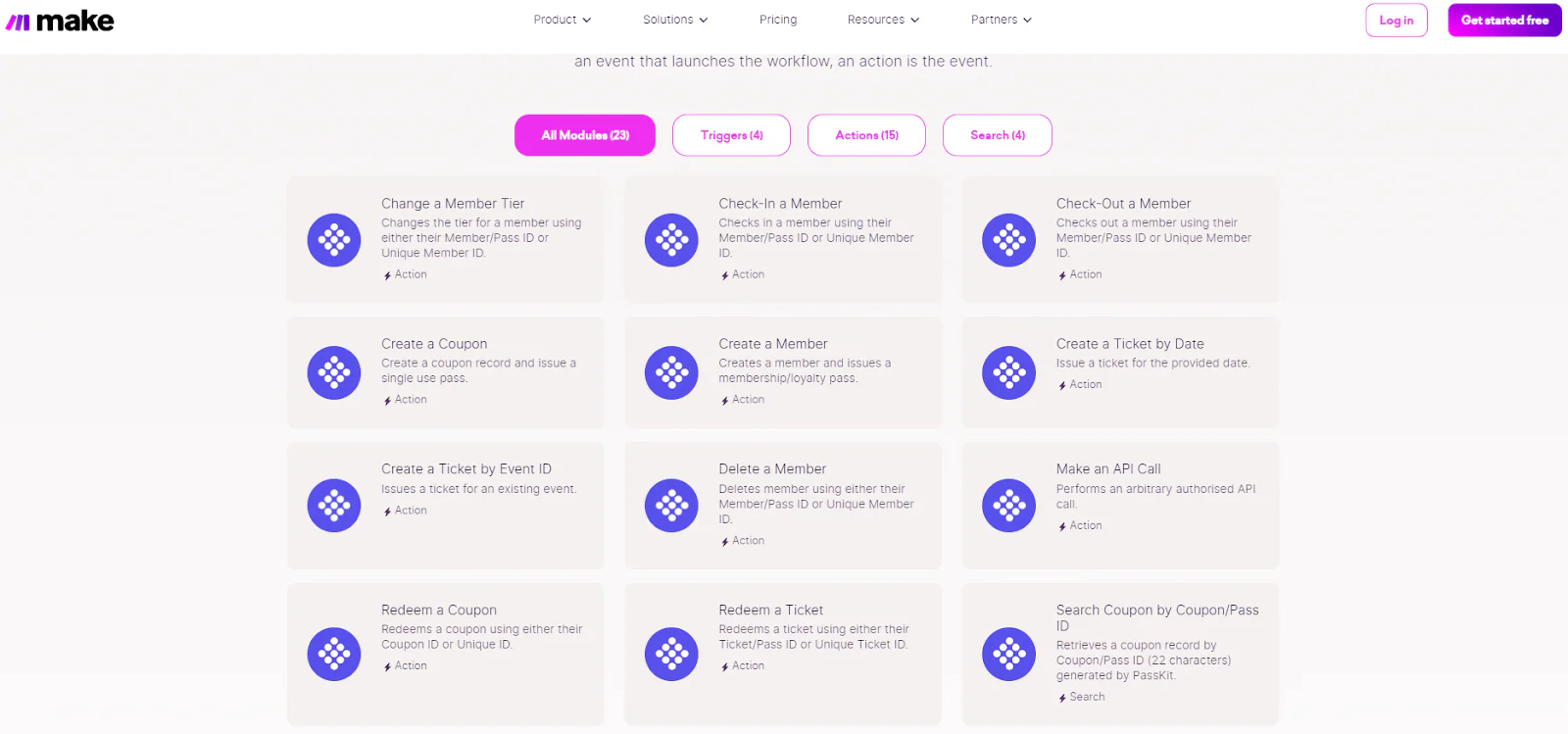
PassKit actions available in Make, including creating members and changing tiers.
The Shopify and PassKit integration guide describes connecting customer and order activity to pass issuance or updates through API calls and an automation tool or server. Confirm the required events, available actions and support owner when planning the connection.
Launch the program through the shopping journey
Image source: Freepik
Each placement should answer the question the shopper has at that moment. Show the same earning and redemption conditions across the store.
| Placement | Customer question | Useful message or action |
|---|---|---|
| Product page | What would I earn? | State the earning rule and show eligible value accurately |
| Cart | Can I use a benefit on this order? | Explain available rewards, minimum spend and incompatible promotions |
| Account area | What have I earned? | Show available and pending points, reward conditions and recent adjustments |
| Order confirmation | Did my purchase count? | Confirm earning or its expected timing and link to the existing membership |
| Replenishment email | Is there a reason to return now? | Pair a relevant product reminder with the member’s available benefit |
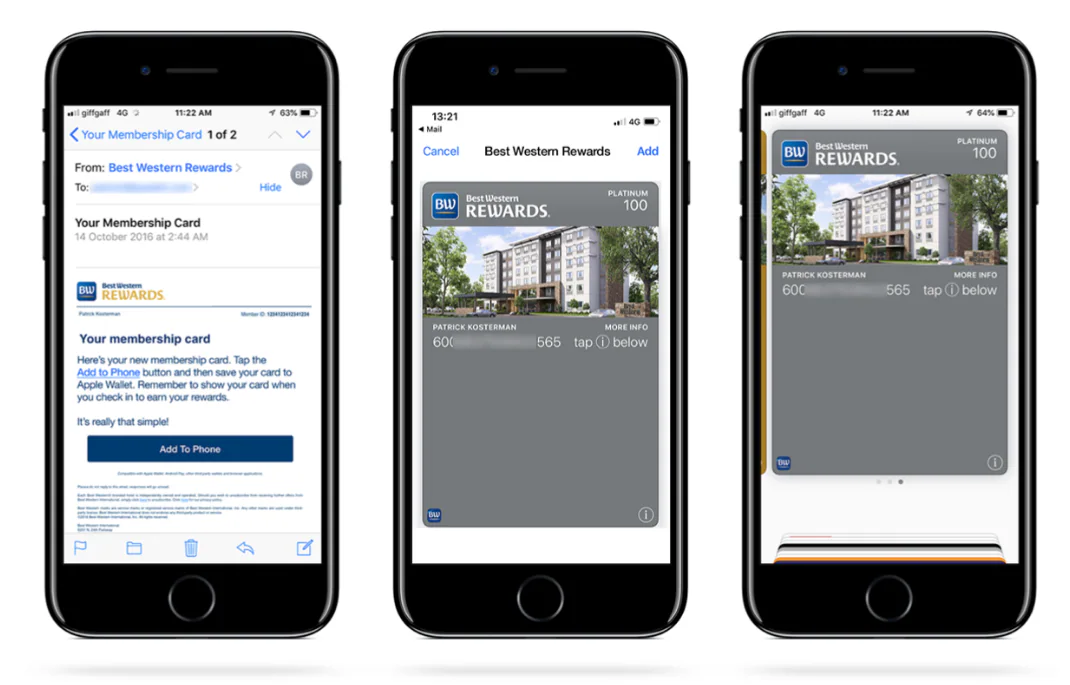
For example, a skincare store could remind an eligible member about a product they previously bought and explain how to use an available reward. Send the message through a configured campaign to contacts eligible for that channel, and let the customer find the same benefit in their account.
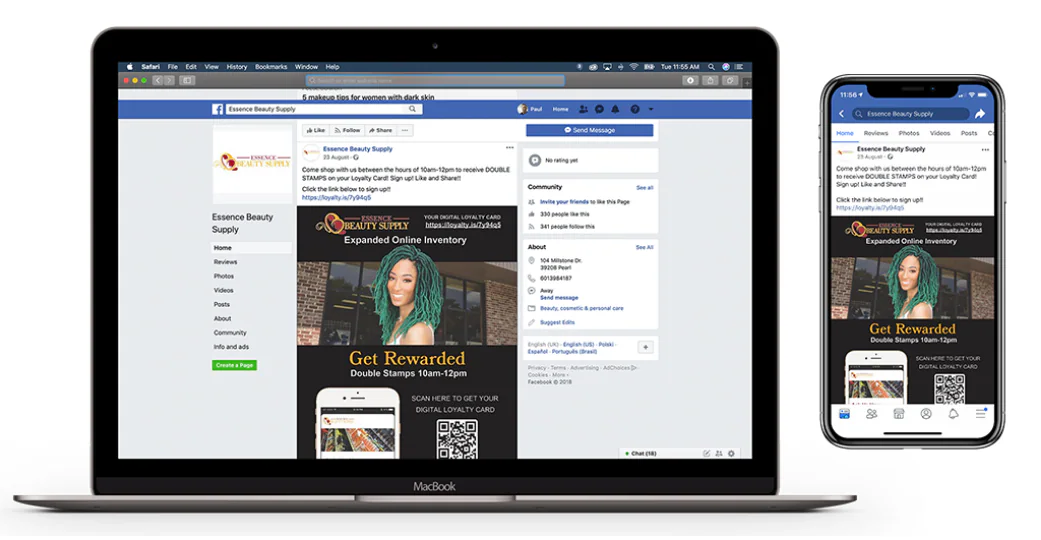
Social posts can introduce the offer, but the linked landing page should explain joining, earning and redemption. Train support staff on common questions before inviting a large audience. Pilot with a smaller group so unclear rules can be corrected early.
Shopping convenience remains part of retention. Zara’s My Zara QR guidance illustrates using a customer identifier for purchases, returns and collection; make your reward journey similarly easy to retrieve through the member account.
Measure repeat buying, redemption and reward costs
Choose a period long enough to include the normal reorder cycle. Compare equivalent customer groups and use the same definition for each reporting period.
Repeat purchase within 90 days
For a first-purchase cohort, calculate:
90-day repeat purchase rate = Customers making a second qualifying purchase within 90 days ÷ Customers in that first-purchase cohort × 100
If 50 of 200 first-time buyers make a second qualifying purchase within 90 days, the rate is 25%. Wait until every buyer in the cohort has had the full 90-day opportunity before comparing it with an earlier cohort. Define how cancelled and refunded orders affect qualification.
Reward redemption and cost
For reward redemption, follow a defined group of rewards from issuance through a fixed follow-up period. If 40 of 100 rewards issued in one cohort are redeemed within 90 days, that cohort’s redemption rate is 40%. Keep reward counts separate from points totals.
Track the value of discounts and free products actually redeemed, fulfillment costs, software and administration. For a free-shipping benefit, include the delivery cost the business absorbs. Compare net sales and contribution after these costs with a suitable baseline or control group; higher spending by members alone does not establish incremental gain.
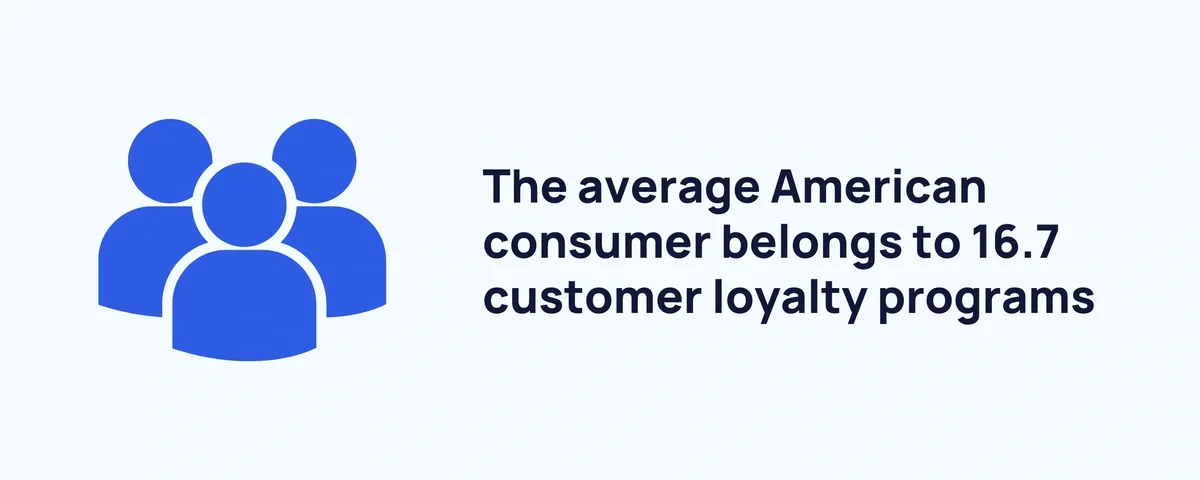
Image source: Exploding Topics
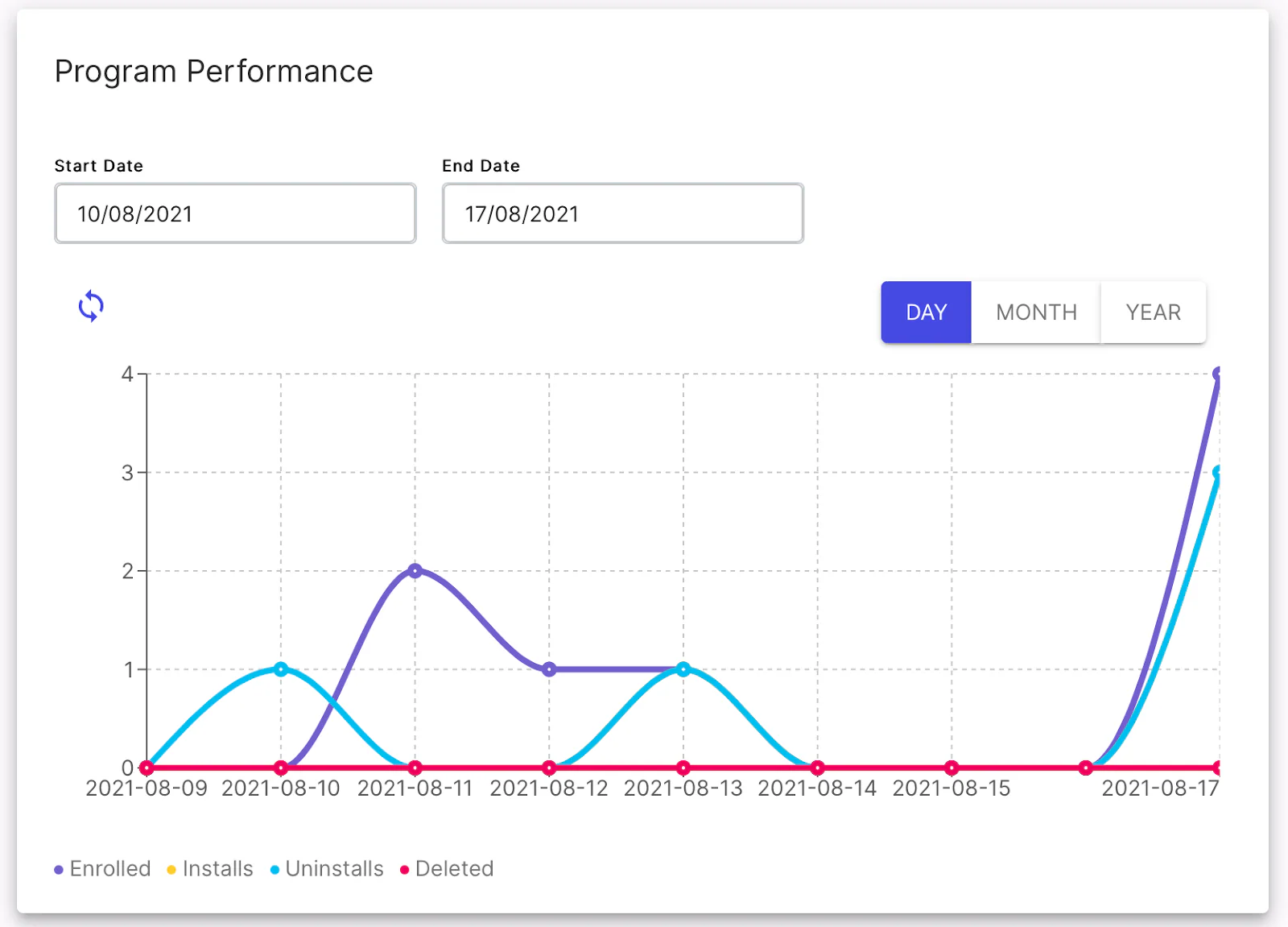
Historical enrollment benchmark: The Loyalty Report 2021, discussed with Bond Brand Loyalty.
Use store order and refund records for financial and purchase measures, and loyalty records for earning and redemption. Wallet analytics describe pass activity such as issuance and installation. The customer loyalty analytics guide covers further measurement choices.
What merchants can learn from ecommerce loyalty examples
Sephora: make progress and reward choice visible
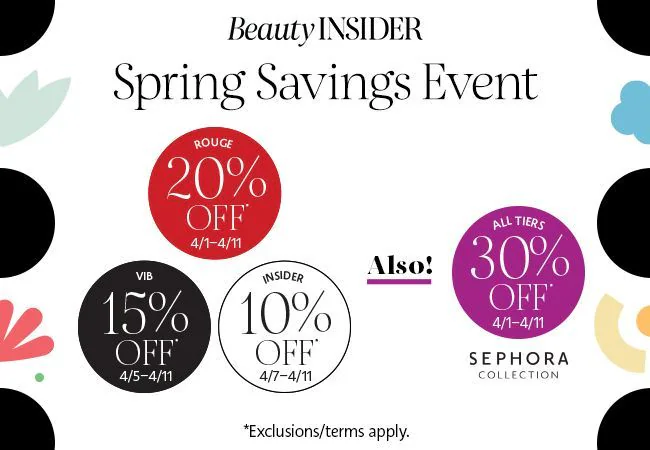
Sephora’s Beauty Insider program combines eligible purchase points, reward choice and Insider, VIB and Rouge tiers in the US and Canada. The useful merchant decision is how to show both current progress and the benefit available next.
A smaller store could apply that principle with one clearly described base reward before introducing multiple levels. Make the balance useful by displaying what it can unlock and where the member selects the reward.
H&M: explain the path from points to checkout
H&M’s US membership terms describe purchase-based points, bonus vouchers and point reversals for returns. Its membership information explains account access and customer participation.
The transferable decision is when the benefit becomes available and how the shopper applies it. State the threshold, show the usable voucher or reward and explain the effect of a return in the member’s activity history. Test that sequence across every participating checkout.
Fix customer friction before adding more mechanics

| Problem observed | First change to test |
|---|---|
| Shoppers ignore the program | Replace vague savings language with the earning rule and a typical path to a reward |
| Members cannot redeem | Check reward selection, minimum spend and promotion-code compatibility |
| Support receives balance complaints | Show pending activity and explain refund adjustments in the account |
| Rewards cost too much | Recalculate redeemed benefit and delivery costs before increasing thresholds or changing the offer |
Keep the first version understandable. For a broader launch plan, use rewards programs for small business.
Where PassKit fits in ecommerce loyalty
PassKit creates, distributes and updates loyalty passes for Apple Wallet and Google Wallet. It can make member identifiers and supported balances or status available through a saved wallet credential, using information supplied by the connected business workflow.
The ecommerce and loyalty systems remain responsible for paid orders, earning rules, redemption and refunds. Define those responsibilities and the update path before adding wallet delivery. Explore PassKit’s loyalty wallet capabilities when that access method fits the customer journey.
FAQs about ecommerce loyalty programs
Which loyalty model should a small online store start with?
Evaluate a simple points or repeat-purchase reward against typical basket value, buying frequency and margin. Introduce tiers or paid membership when the extra benefits serve a clear customer need and their cost is understood.
Should points include shipping and tax?
Choose and publish an explicit rule. The worked example uses eligible merchandise after discounts and excludes shipping and tax. Confirm that the chosen software can calculate your preferred basis consistently.
Can a loyalty reward combine with a discount code?
Only when the store’s rules and checkout support that combination. Test both an allowed combination and a rejected one, and explain the restriction before the shopper completes the order.
Can guest purchases earn points after someone joins?
They can when the business permits retrospective earning and the systems can verify and associate the order. Establish a claim process that checks ownership and prevents duplicate awards.
What happens to points after a partial refund?
Reverse the points associated with the returned eligible value under the program’s rules. Link the adjustment to the original order and explain how insufficient remaining points or an already-used reward will be handled.
Can the same membership work online and in-store?
Yes, when both channels identify the same member and share the required purchase, balance and redemption information. Test an order, reward use and refund across the channels before promoting that experience.